
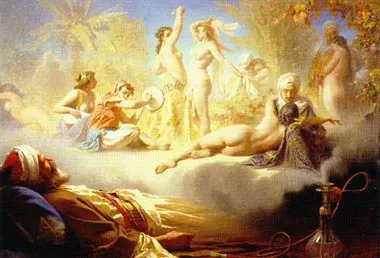
When Religion Promises Lust: The Fantasy of Islamic Heaven vs. Sikh Vision of Truth

In Islam, heaven is called Jannah and is described as the ultimate reward for believers, portrayed as a realm of endless pleasures. Yet when one examines the Quran and Hadith closely, its depiction often centers on sensual indulgence and material luxury, designed primarily to gratify men. Such imagery — of women, wine, and worldly delights — raises serious questions about whether this vision reflects the majesty of an all‑powerful God, or rather a human‑constructed idea intended to attract followers through temptation. For those guided by reason and conscience, this portrayal can appear troubling and inadequate, prompting reflection on whether such a religion offers a truly divine path.

In stark contrast, Sikhi presents a vision of the afterlife that is profoundly spiritual and free from human distortion. Sri Guru Granth Sahib Ji describes Sach Khand — the Realm of Truth — not as a place of bodily pleasures, but as union with the Divine. Here, the soul transcends material desire and merges with the Eternal, experiencing bliss through Truth, Naam, and Divine Presence. This vision appeals directly to the soul and consciousness, offering liberation rooted in purity, fairness, and timeless Truth.

A Paradise of Sensual Pleasures

The Quran clearly describes Jannah as a place filled with physical pleasures that mainly serve what men want. Just look at these verses:

  • Surah An-Naba (78:31-34):
    “As for the righteous, they shall surely triumph. Theirs shall be gardens and vineyards, and high-bosomed virgins for companions, a truly overflowing cup.”

  • Surah At-Tur (52:20):
    “They will recline (with ease) on thrones arranged in ranks. And We shall marry them to Houris (female, fair ones) with wide lovely eyes.”

  • Surah Ar-Rahman (55:56, 58):
    “In both ˹Gardens˺ will be maidens of modest gaze, who no human or jinn has ever touched before.  Then which of your Lord’s favours will you both deny? Those ˹maidens˺ will be ˹as elegant˺ as rubies and coral.”

  • Surah Ar-Rahman (55:72-74):
    “˹They will be˺ maidens with gorgeous eyes, reserved in pavilions. Then which of your Lord’s favours will you both deny? No human or jinn has ever touched these ˹maidens˺ before.”

The Quran doesn’t mention a number, but the Hadith takes the sexual fantasy even further. One narration in Sunan al-Tirmidhi (Book 21, Hadith 2687) says every man in Jannah will get seventy-two virgins, along with other pleasures. The phrase “deflower 72 fair, dark-eyed virgin girls” fits exactly with this Hadith, even if it’s not word-for-word from the Quran.

A Divine Reward or a Human Fantasy?

Why would an all-powerful and all-knowing God create a heaven that’s all about sex and pleasure for men? The way houris are described as perfectly beautiful, virgin women made only for men doesn’t sound like something divine. It sounds like the fantasy of men from the 7th century. If God is beyond human desires, then why does Jannah look like something straight out of a man’s sexual dream? The truth is, this doesn’t feel like a message from God. It feels like a man-made religion designed to use lust and greed to pull people in.

The Objectification of Women in Islamic Heaven

The way women are shown in Jannah is especially troubling. Houris are only there as rewards for men, valued for their looks and virginity, not for their own worth or spirituality. Where are the clear promises for women? The Quran and Hadith mention some vague rewards for female believers, but the focus is always on satisfying men. This shows a deep patriarchal bias at the core of Islam. If paradise itself reduces women to tools for men’s pleasure, how can there ever be true equality on earth? For any Muslim woman or man who cares about fairness, this should be deeply shameful.

A Tool for Conversion, Not Divine Truth

Islam started in a tribal, warrior-based society where promises of sex and luxury could convince men to convert. In 7th-century Arabia, a heaven filled with virgins and riches was a perfect way to get men to join the religion, fight in its wars, and spread it. This shows that Islam might have been designed to use these temptations to grow its followers, rather than being a true divine message. A religion that depends on such promises doesn’t look like God’s word – it looks like a human-made strategy, one that falls apart when anyone actually thinks about it.

Flaws of a Man-Made Faith

The internal inconsistencies and scientific errors in the Quran make its claim to divine origin deeply questionable. For example, Surah 21:32 describes the sky as a “protected ceiling,” while Surah 86:6‑7 asserts that sperm originates “from between the backbone and the ribs.” Modern science has long shown these statements to be inaccurate: the sky is not a solid covering, and sperm is produced in the testicles. Such errors suggest that the Quran reflects the limited knowledge of Muhammad’s era rather than the wisdom of an all‑knowing God.


When these flaws are considered alongside the Quran’s portrayal of heaven as a realm centered on male pleasure — with promises of women, wine, and sensual indulgence — the conclusion becomes clear: Islam’s vision of paradise is bound to the cultural context of its time, shaped by human imagination rather than timeless revelation.

A Call to Abandon Shameful Beliefs

Imagine defending a faith where heaven is portrayed as a place of indulgence, where women are reduced to objects and outdated science is presented as divine knowledge. Can such a vision truly inspire pride, reason, morality, or spiritual depth? The promise of seventy‑two virgins may have appealed to desert tribes centuries ago, but today it stands as a relic that undermines human dignity and insults intelligence. A truly worthy God would never resort to such cheap enticements.

For anyone who thinks critically, Islam’s depiction of heaven raises serious concerns. It does not reflect timeless divinity but rather a man‑made construct shaped by cultural context and human desire. To remain bound to such beliefs is to accept humiliation disguised as faith. The call, therefore, is to walk away from illusions and seek a path that honors intellect, conscience, and true spirituality — a path rooted in eternal Truth, free from distortion, and capable of uplifting the soul.

The answer is Sikhi: the timeless revelation of the Guru, offering union with the Divine, equality for all, and liberation through Truth. Sikhi overcomes bodily desires and satanic vices such as wine and intoxicants, and instead leads to spiritual satisfaction — a state where nothing more is needed, because the spirit is filled with all it requires in the presence of the Eternal.

Sri Guru Granth Sahib Ji Teachings

ਸਬਦਿ ਰਤੇ ਸੇ ਨਿਰਮਲੇ ਤਜਿ ਕਾਮ ਕ੍ਰੋਧੁ ਅਹੰਕਾਰੁ ॥
Those who are attuned to the Shabad are spotless and pure; they renounce sexual desire, anger, selfishness and conceit.
(Sri Guru Granth Sahib Ji: Ang 58)

ਸਤਿਗੁਰ ਦਇਆਲ ਕਿਰਪਾਲ ਭੇਟਤ ਹਰੇ ਕਾਮੁ ਕ੍ਰੋਧੁ ਲੋਭੁ ਮਾਰਿਆ ॥
Through the Kind and Compassionate True Guru, I have met the Lord; I have conquered sexual desire, anger and greed.
(Sri Guru Granth Sahib Ji: Ang 81)

ਪਰਹਰਿ ਕਾਮ ਕ੍ਰੋਧੁ ਝੂਠੁ ਨਿੰਦਾ ਤਜਿ ਮਾਇਆ ਅਹੰਕਾਰੁ ਚੁਕਾਵੈ ॥
Renounce sexual desire, anger, falsehood and slander; forsake Maya and eliminate egotistical pride.
(Sri Guru Granth Sahib Ji: Ang 141)

ਕਾਮੁ ਕ੍ਰੋਧੁ ਅਹੰਕਾਰੁ ਬਿਨਸੈ ਮਿਲੈ ਸਤਿਗੁਰ ਦੇਵ ॥
Sexual desire, anger, and egotism depart, meeting with the Divine True Guru.
(Sri Guru Granth Sahib Ji: Ang 405)

Leave A Comment

Your email address will not be published. Required fields are marked *