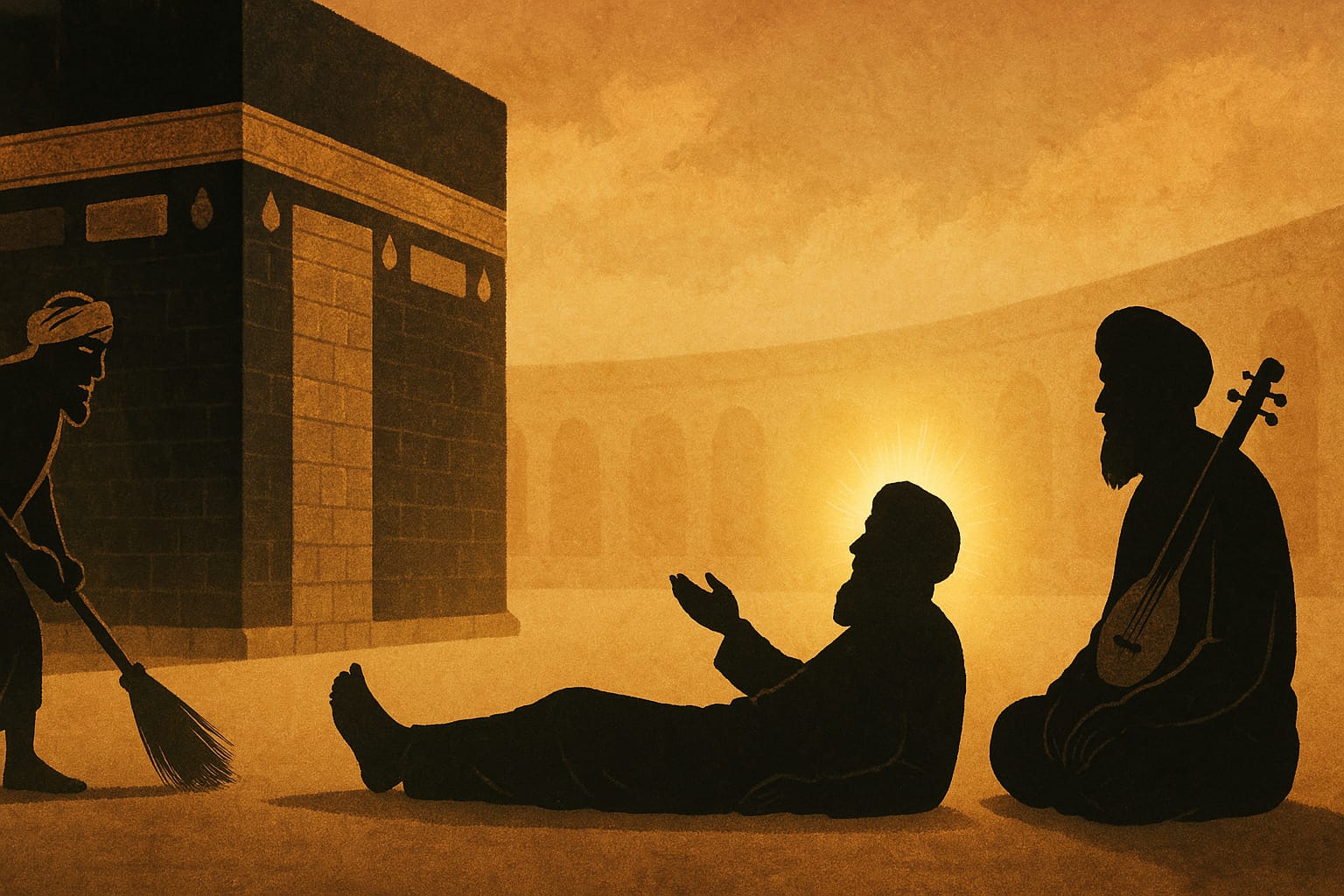
Some people question how Guru Nanak Sahib Ji could have visited Mecca if he was not a Muslim. This doubt mainly comes from the belief that non-Muslims have never been allowed to enter Mecca. However, this belief does not fully match historical reality.
During the time of Guru Nanak Sahib Ji, Mecca was not the heavily controlled and developed city that it is today. It was largely a desert region, and movement was far more open. The strict regulations and modern security around Mecca are developments of recent centuries, especially after Saudi Arabia became wealthy through oil and urban development.
Historical records from the Ottoman period clearly show that entry into Mecca was not restricted only to Muslims. An Ottoman imperial decree from the mid-16th century states:
“No Muslims and believers in the unity of God should be hindered in any way if he wishes to visit the Holy Cities and circumambulate the luminous Ka‘ba.”
This document dates from around 1564–65, only about 30 years after Guru Nanak Sahib Ji’s visit. It shows that the restriction was aimed at those who did not believe in one God, not at everyone who was non-Muslim.
The Quran itself supports this understanding:
“O you who believe! Truly the idolaters are unclean; so let them not, after this year, approach the Sacred Mosque…”
(Quran 9:28)
This verse specifically refers to idol worshippers (pagans), not to believers in one God. Guru Nanak Sahib Ji firmly believed in the oneness of God and openly spoke against idol worship. Therefore, there was no religious basis for denying him entry into Mecca at that time.
History also records other non-Muslims visiting Mecca. One well-known example is the British explorer Sir Richard Burton, who entered Mecca in 1853 by disguising himself as a Muslim and later wrote about his journey. If such visits were possible centuries later, it is not unreasonable to accept that Guru Nanak Sahib Ji could have visited Mecca much earlier.
Guru Nanak Sahib Ji travelled as a fakir, wearing simple clothing made of coarse cloth, wooden sandals, and carrying basic belongings. He was accompanied by Baba Mardana Ji, who came from a Muslim background. Bhai Gurdas Ji records this journey:
ਬਾਬਾ ਫਿਰ ਮੱਕੇ ਗਯਾ ਨੀਲ ਬਸਤ੍ਰ ਧਾਰੇ ਬਨਵਾਰੀ ॥
ਆਸਾ ਹੱਥ ਕਿਤਾਬ ਕੱਛ ਕੂਜਾ ਬਾਂਗ ਮੁਸੱਲਾ ਧਾਰੀ ॥
This description shows Guru Sahib adopting the outward appearance of a fakir, which allowed him to freely engage in religious dialogue with Muslim spiritual figures of that time. Clothing, as Guru Nanak Sahib Ji himself taught, holds no spiritual value. Wearing a fakir’s dress does not make someone Muslim, nor does it define one’s inner faith.
It is important to understand that Guru Nanak Sahib Ji did not go to Mecca to perform Islamic pilgrimage rituals. He did not observe ihram, perform tawaf, run between Safa and Marwa, offer animal sacrifice, or recite Islamic prayers. There is also no evidence that he declared the Shahadah. These rituals are essential for Islamic pilgrimage, and Guru Sahib is not recorded as performing any of them.
Guru Nanak Sahib Ji himself makes this clear in Gurbani:
ਹਜ ਕਾਬੈ ਜਾਉ ਨ ਤੀਰਥ ਪੂਜਾ ॥ ਏਕੋ ਸੇਵੀ ਅਵਰੁ ਨ ਦੂਜਾ ॥੨॥
ਪੂਜਾ ਕਰਉ ਨ ਨਿਵਾਜ ਗੁਜਾਰਉ ॥ ਏਕ ਨਿਰੰਕਾਰ ਲੇ ਰਿਦੈ ਨਮਸਕਾਰਉ ॥੩॥
(Ang 1136)
These verses clearly show that Guru Sahib did not visit Mecca for worship or pilgrimage. His purpose was spiritual dialogue and clarification. At that time, many believed that God resided only in a particular direction or place. Guru Nanak Sahib Ji went to challenge this limited thinking and to teach that God is everywhere, without boundary or direction.
Historical accounts mention Guru Sahib resting with his feet facing the Ka‘ba. This event itself highlights the teaching that God is not confined to any one location. Guru Nanak Sahib Ji did not stay inside the Ka‘ba. Pilgrims traditionally stay in surrounding areas, villages, or tents, which aligns with historical descriptions of his visit.
Finally, Gurbani says:
ਨਾ ਹਮ ਹਿੰਦੂ ਨ ਮੁਸਲਮਾਨ ॥
ਅਲਹ ਰਾਮ ਕੇ ਪਿੰਡੁ ਪਰਾਨ ॥੪॥
(Ang 1136)
Guru Sahib did not identify himself as Hindu or Muslim. He spoke of the one God of all humanity. His visit to Mecca was not about adopting another religion, but about spreading the message of divine oneness and removing false divisions.
Understanding Guru Nanak Sahib Ji’s journey to Mecca requires viewing it through historical context and the spiritual purpose behind it, rather than modern assumptions or rigid boundaries.
We’re here to help. Whether you’re curious about Gurbani, Sikh history, Rehat Maryada or anything else, ask freely. Your questions will be received with respect and answered with care.
Ask Question