
• Home
  • Gurmat
  • What is the Gurmat way of performing Aarti?

What is the Gurmat way of performing Aarti?

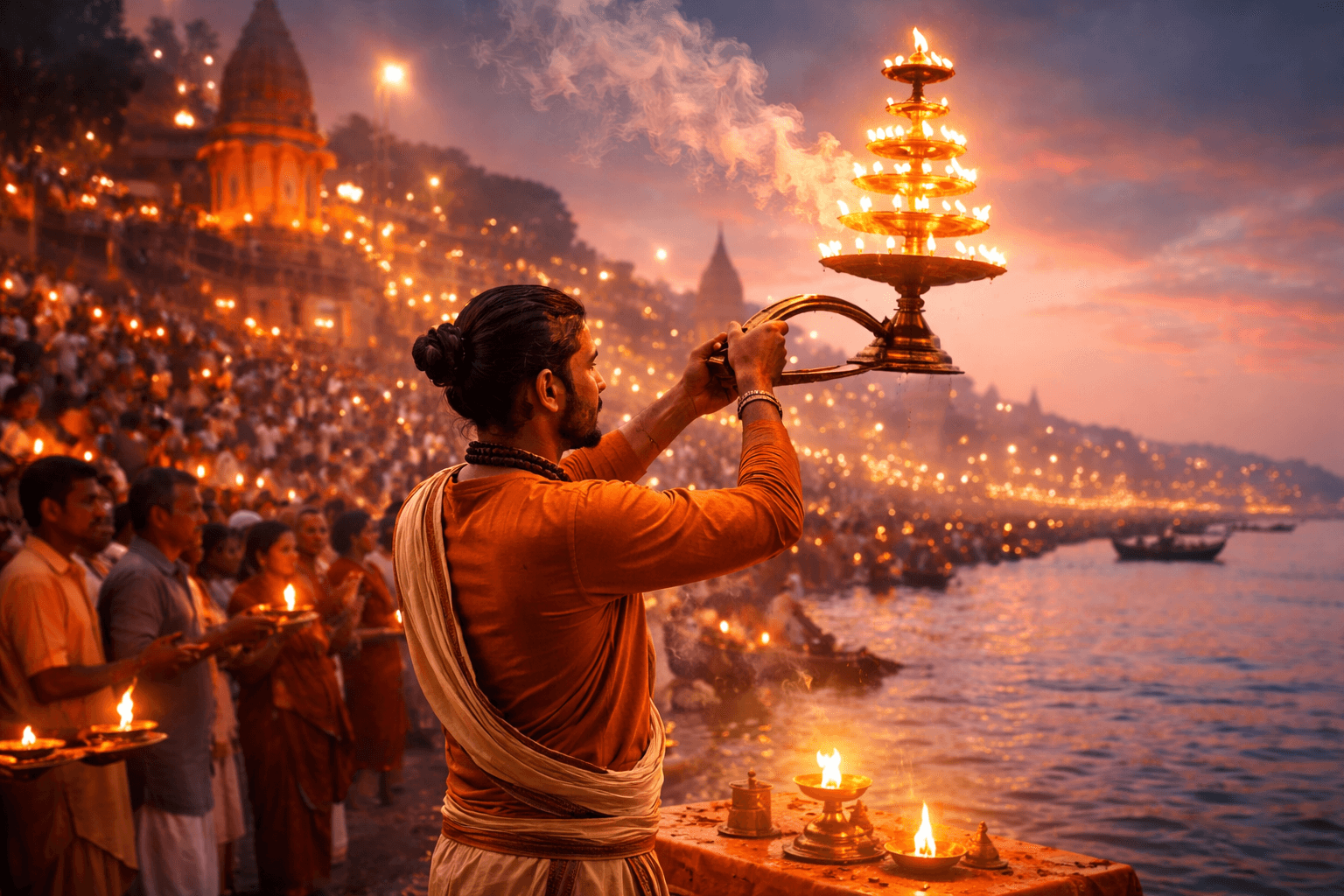
The ritual of aarti in Hindu tradition

Aarti is a Hindu ritual of worship. In aarti, a lit lamp (diya) is waved in front of a deity while prayers or hymns are sung. Aarti usually takes place in temples or homes, often at the end of a prayer.

Aarti is a major ritual at Jagannath Puri. When Sri Guru Nanak Dev Ji reached there, He was asked to join the regular Aarti worship. Guru Sahib, however, remained seated. This upset the priests, who questioned Him about not taking part in the Aarti.

Guru Sahib calmly replied that He was already participating in the Aarti of Vaheguru that is happening everywhere in creation. The priests were surprised and could not understand His reply, so they asked Him to explain further.

At that moment, Guru Sahib went into deep Vismaad and sang the Aarti Shabad in Raag Dhanasri. He sang with such divine feeling, wonder, and spiritual power that it felt as if everything stood still, even time itself. It was here that the great Bengali mystic Chaitaniya Mahaprabhu recognized the spiritual greatness of Guru Sahib. Many people became followers of Guru Sahib and accompanied Him onward, including on His journey to Sri Lanka to meet Raja Shiv Naabh.

Taking inspiration from Guru Sahib, other Bhagat Jan also composed and uttered Shabads connected with Aarti.

The Shabads that are traditionally recited as Aarti are as follows:
1. ਗਗਨਮੈ ਥਾਲੁ…, ਮਹਲਾ 1, ਰਾਗ ਧਨਾਸਰੀ।
2. ਨਾਮੁ ਤੇਰੋ ਆਰਤੀ…, ਭਗਤ ਸ੍ਰੀ ਰਵਿਦਾਸ ਜੀ, ਰਾਗ ਧਨਾਸਰੀ।
3. ਧੂਪ ਦੀਪ ਘ੍ਰਿਤ…., ਭਗਤ ਸ੍ਰੀ ਸੈਣੁ ਜੀ।
4. ਸੁੰਨ ਸੰਧਿਆ ਤੇਰੀ… ਭਗਤ ਸ੍ਰੀ ਕਬੀਰ ਜੀ।
5. ਗੋਪਾਲ ਤੇਰਾ ਆਰਤਾ॥, ਭਗਤ ਸ੍ਰੀ ਧੰਨਾ ਜੀ।
6. ਸਵਯਾ – ਪਾਇ ਗਹੇ… ਸ੍ਰੀ ਗੁਰੂ ਗੋਬਿੰਦ ਸਿੰਘ ਜੀ।
7. ਦੋਹਰਾ – ਸਗਲ ਦੁਆਰ…, ਸ੍ਰੀ ਗੁਰੂ ਗੋਬਿੰਦ ਸਿੰਘ ਜੀ

After the recitation of Rehraas Sahib, Raagis perform the Aarti by singing Gurbani Shabads. This creates a deeply soothing atmosphere, guiding the congregation into a spiritual state of devotion through the power of music.

Bhai Gurdas Ji writes: ਸੋਦਰੁ ਆਰਤੀ ਗਾਵੀਐ ਅੰਮ੍ਰਿਤ ਵੇਲੇ ਜਾਪੁ ਉਚਾਰਾ॥
“Sodar (Rehraas) and Aarti were sung in the evening, and Japji Sahib was recited during Amrit-vela (the ambrosial hours).”

Sanatan (Hindu) practices entering Sikh institutions

During the mid-18th century, the Khalsa faced severe persecution. Many Sikhs were forced to live in forests and remote areas, as rewards were placed on their heads. In this difficult period, the management of many Gurdwaras came into the hands of Nirmala and Udasi Mahants, who acted as caretakers.

Over time, sections of the Nirmalas and Udasis became increasingly influenced by prevailing Hindu religious customs. As a result, certain Hindu practices were gradually introduced into some Sikh institutions. In many places, the Mahants gained significant control and authority over Gurdwaras, and corruption also became widespread.

In the late 19th and early 20th centuries, Sikhs reclaimed control of their Gurdwaras through the Singh Sabha Movement and the Gurdwara Reform (Akali) Movement. This led to the removal of corrupt Mahants and the restoration of Sikh Maryada within Sikh institutions.

However, even after these reforms, some Sikh institutions in India, especially those outside Panjab or under the influence of certain Nihang groups, continued to observe practices influenced by Hindu ritualism.

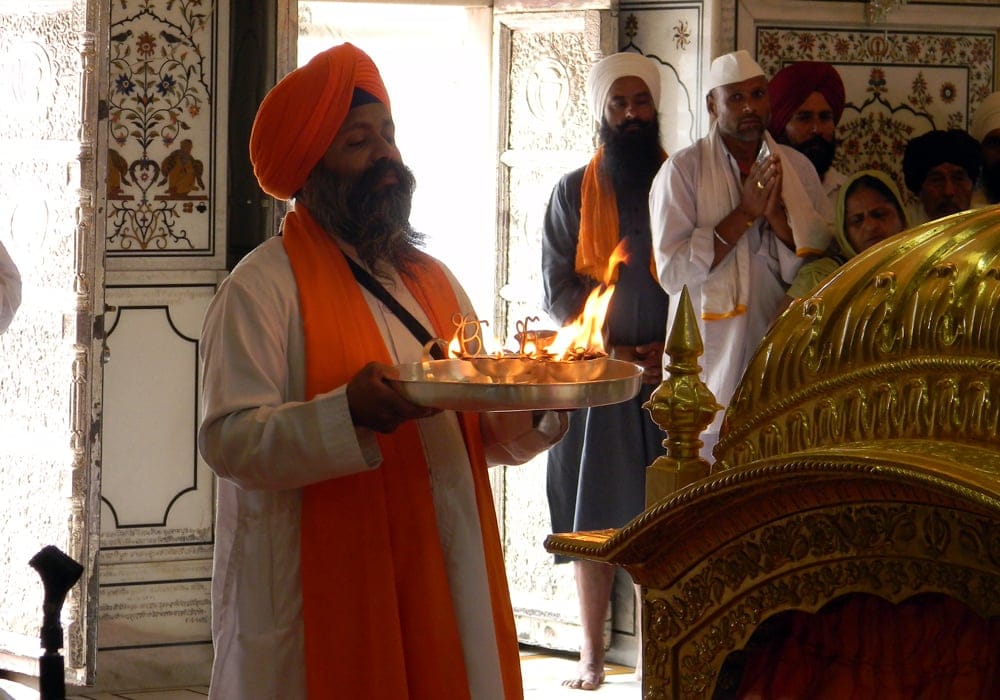
One such example is the performance of Aarti. In Sikhi, singing the Shabads known as Aarti de Shabad through Kirtan is fully accepted and well established. However, the ritual performance of Aarti by waving a platter with oil lamps, flowers, and ringing bells is a Hindu practice and is not part of traditional Sikh Maryada.

The Panthic Sikh Rehit Maryada, the official Sikh Code of Conduct, states:
ਸ) ਉੱਪਰ ਦੱਸੇ ਸਮਾਨ ਤੋਂ ਇਲਾਵਾ ਧੂਪ ਜਾਂ ਦੀਵੇ ਮਚਾ ਕੇ ਆਰਤੀ ਕਰਨੀ, ਕਰਮ-ਕਾਂਡੀ ਭੋਗ ਲਾਉਣਾ, ਪੂਜਾ ਰੂਪ ‘ਚ ਜੋਤਾਂ ਜਗਾਂਉਣੀਆਂ, ਟੱਲ ਖੁੜਕਾਉਣੇ ਆਦਿ ਕਰਮ ਗੁਰਮਤਿ ਅਨੁਸਾਰ ਨਹੀਂ। ਹਾਂ, ਸਥਾਨ ਨੂੰ ਸੁਗੰਧਿਤ ਕਰਨ ਲਈ ਫੁਲ, ਧੂਪ ਆਦਿ ਸੁਗੰਧੀਆਂ ਵਰਤਣੀਆਂ ਵਿਵਰਜਿਤ ਨਹੀਂ। ਕਮਰੇ ਅੰਦਰ ਰੌਸ਼ਨੀ ਲਈ ਤੇਲ, ਘਿਉ ਜਾਂ ਮੋਮਬੱਤੀ, ਬਿਜਲੀ, ਲੈਂਪ ਆਦਿ ਜਗਾ ਲੈਣੇ ਚਾਹੀਦੇ ਹਨ।
d. Apart from the respectful items mentioned above, practices such as burning incense or lamps (deevey) to perform Aarti (worship involving the waving of lighted lamps), ritualistically offering food items to Sri Guru Granth Sahib Ji, lighting symbolic flames (jotaan) for the purpose of worship, ringing bells (tal) as a means of invoking or awakening the Divine, and other similar acts are not in accordance with Gurmat (the Guru’s teachings). However, the use of flowers, incense, or other natural fragrances to keep the space pleasant is not prohibited. For lighting within the room, appropriate sources such as oil lamps, ghee lamps, candles, electric lights, or other practical lighting should be used.

Despite clear guidance in the Panthic Sikh Rehit Maryada, some Gurdwaras continue to perform ritual Aarti, often claiming it to be Puratan Maryada (ancient tradition). However, this claim does not hold up to historical or Gurmat-based examination.

The Sikh Rehit Maryada was finalized after decades of study, drawing from Gurbani, early Sikh practices, and Panthic consensus, precisely to remove ritualistic practices that had entered Sikh institutions during periods of persecution. Practices like waving lamps before Sri Guru Granth Sahib Ji are not found in early Sikh sources and became common mainly during the Mahant period under Hindu influence.

Simply being old does not make a practice Gurmat-aligned. Allowing individual Gurdwaras to define their own “Maryada” undermines Panthic unity and creates confusion among Sikhs. In Gurmat, devotion is expressed through Shabad, Naam, and Kirtan, not ritual performance. The Aarti given by Guru Sahib is a Shabad-based Aarti, pointing to the cosmic worship of Vaheguru present throughout creation, and reducing it to a physical ritual goes against Gurmat.

Insights from Sant Gurbachan Singh Ji Bhindranwale

Sant Giani Gurbachan Singh Ji explains that the Maryada for singing Aarti, which continues to this day at Harmandir Sahib, has been followed since the time of Guru Arjan Dev Ji. He emphasizes that the Aarti is performed without lighting lamps, which is a Hindu practice, and that the singing of Aarti takes place after Rehras Sahib. He explains the meaning and proper practice of Aarti in Sikhi in his book Gurbaani Paath Darpan.

In the chapter on Akhand Paath Maryada (page 168), Sant Ji writes:

ਆਰਤੀ ੳਚਾਰਨੀ, ਦੀਵੇ ਨਹੀਂ ਬਾਲਣੇ, ਕੇਵਲ ਸ਼ਬਦ ਪੜਨੇ ਅਤੇ ਕੀਰਤਨ ਕਰਨਾ, ਫਿਰ ਕੜਾਹ ਪ੍ਰਸ਼ਾਦ ਵੰਡਣਾ ਅਤੇ ਖੁੱਲਾ ਲੰਗਰ ਕਰਨਾ।
“Do Aarti, don’t light lamps; only read the Shabads of Aarti and do Kirtan, then distribute Karah Parshad and have open Langar.”

Under the title of Aarti, Sant Ji lays out the complete Maryada and concludes:

ਆਰਤੀ ਦੇ ਸ਼ਬਦ ਬੈਠ ਕੇ ਪੜਨੇ ਕੀਰਤਨ ਕਰਨਾ ਹੀ ਯੋਗ ਹੈ। ਥਾਲ ਵਿਚ ਦੀਵੇ ਬਾਲ ਕੇ ਆਰਤੀ ਦਾ ਖੰਡਨ ਸਤਿਗੁਰਾਂ ਨੇ ਕੀਤਾ ਹੈ।
“It is best to sit and sing the Shabads of Aarti. Performing Aarti with lighted lamps on plates has been rejected by the Satgurus.”

Thus, according to Gurmat and Gurbani, only sitting and singing the Aarti Shabads in Kirtan form is permissible. Lighting lamps in the Aarti, as done in Hindu temples such as at Jagannath Mandir, is contrary to the teachings of Sri Guru Granth Sahib Ji.

Sikhs who continue to perform ritual Aarti with lamps are largely those who have not understood the messages of Gurbani. At the very least, they fail to grasp the meanings of the Shabads from Sri Guru Granth Sahib Ji that they sing during their so-called Sikh Aarti. Some even have an agenda to portray Sikhs as merely a branch of Hinduism. The rest follow blindly, bhed chaal, sheep upon sheep jumping off the cliff of ritual and ignorance into the abyss of spiritual darkness.

Sikhs performing Aarti Kirtan

Leave A Comment

Your email address will not be published. Required fields are marked *