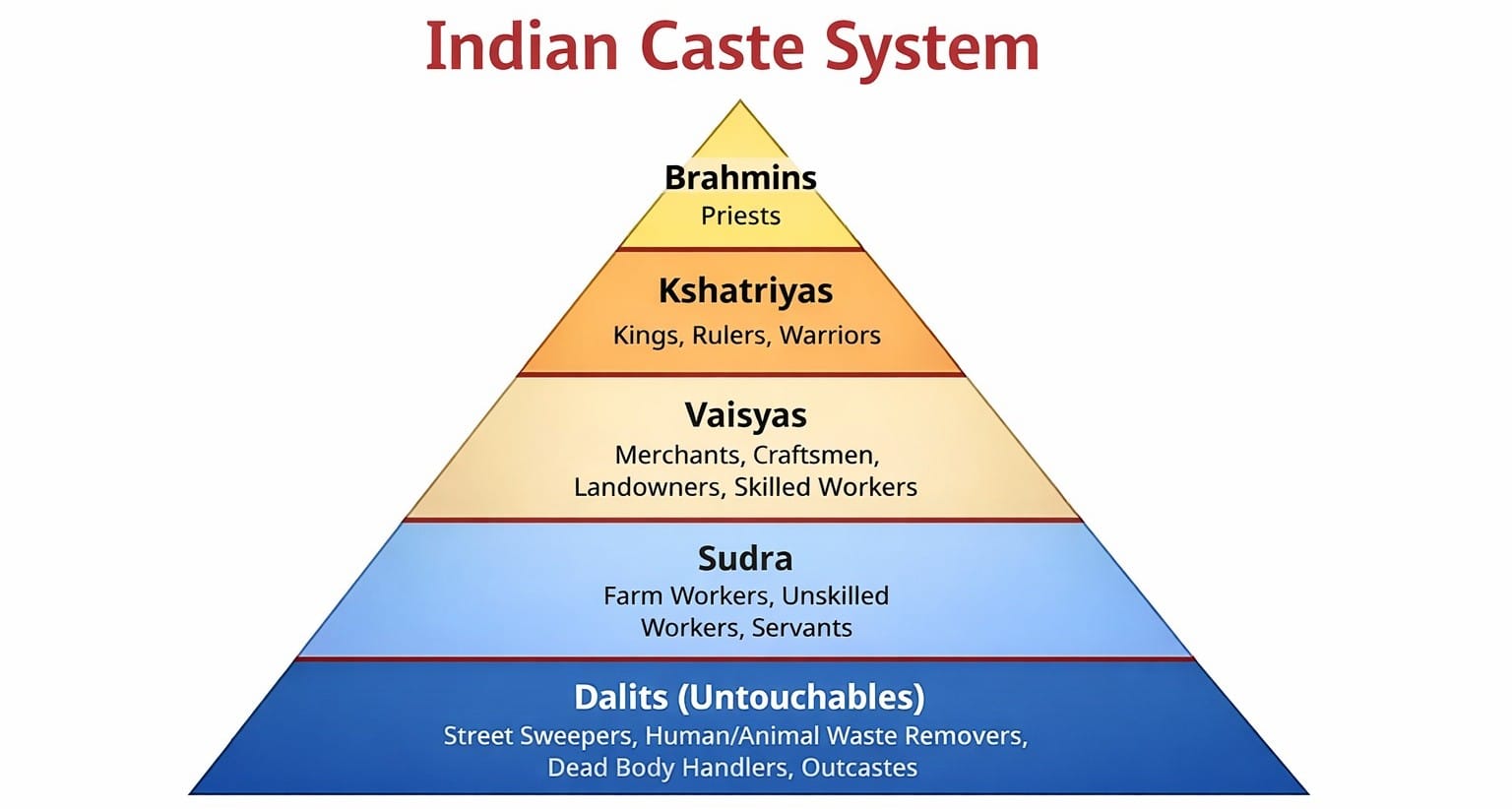
There is no caste system in Sikhi. About five hundred years ago, Guru Nanak Dev Ji laid the foundation of a truly casteless society. At that time, Hindu society was strictly divided into rigid caste groups. These divisions controlled social interaction, denied equal opportunity, and promoted the belief that people were born either high or low, pure or impure. One’s status was fixed by birth and could not be changed, no matter how one lived.
Guru Nanak Dev Ji completely rejected this idea. According to Guru Sahib, no human being is born high or low. Guru Arjan Dev Ji beautifully explained this truth using the example of a potter’s wheel. Just as vessels may differ in shape and design but are all made from the same clay, humanity too may appear different, yet is made of the same basic essence. Social and religious labels do not change this reality.
History shows that many Indian saints and Bhagats came from communities regarded as low caste, yet this never prevented their spiritual greatness. They are respected and remembered for their devotion, not for their birth. Gurbani teaches that the Naam burns away all impurities and elevates the human being.
Gurbani clearly rejects caste distinctions:
ਬੁਰਾ ਭਲਾ ਕਹੁ ਕਿਸ ਨੋ ਕਹੀਐ ਸਗਲੇ ਜੀਅ ਤੁਮੑਾਰੇ ॥੧॥ ਰਹਾਉ ॥
(Ang 383)
This verse reminds us that all beings belong to the same Creator. In such a vision, calling someone high or low becomes meaningless.
ਹਮਰੀ ਜਾਤਿ ਪਾਤਿ ਗੁਰੁ ਸਤਿਗੁਰੁ ਹਮ ਵੇਚਿਓ ਸਿਰੁ ਗੁਰ ਕੇ ||
“The Guru, the True Guru, is my social status and honor; I have sold my head to the Guru.” (Ang 731)
ਜਾਤਿ ਬਰਨ ਕੁਲ ਸਹਸਾ ਚੂਕਾ ਗੁਰਮਤਿ ਸਬਦਿ ਬੀਚਾਰੀ ||੧||
“Social class and status, race, ancestry and scepticism are eliminated, following the Guru’s Teachings and contemplating the Word of the Shabad. ||1||” (Ang 1198)
ਸੰਤ ਜਨਾ ਕੀ ਜਾਤਿ ਹਰਿ ਸੁਆਮੀ ਤੁਮ੍ਹ ਠਾਕੁਰ ਹਮ ਸਾਂਗੀ ||
“God, the Lord and Master, is the caste and social status of His humble Saints. You are the Lord and Master; I am just Your puppet.” (Ang 667)
ਜਾਣਹੁ ਜੋਤਿ ਨ ਪੂਛਹੁ ਜਾਤੀ ਆਗੈ ਜਾਤਿ ਨ ਹੇ ||੧|| ਰਹਾਉ ||
“Recognize the Lord’s Light within all, and do not consider social class or status; there are no classes or castes in the world hereafter. ||1||Pause||” (Ang 349)
ਬ੍ਰਾਹਮਣੁ ਖਤ੍ਰੀ ਸੂਦ ਵੈਸ ਚਾਰਿ ਵਰਨ ਚਾਰਿ ਆਸ੍ਰਮ ਹਹਿ ਜੋ ਹਰਿ ਧਿਆਵੈ ਸੋ ਪਰਧਾਨੁ ||
“There are four castes: Brahmin, Kh’shaatriya, Soodra and Vaishya, and there are four stages of life. One who meditates on the Lord, is the most distinguished and renowned.” (Ang 861)
Bhai Sahib Bhai Gurdaas Jee:
ਗੁਰਮੁਖਿ ਵਰਨੁ ਅਵਰਨ ਹੋਇ ਨਿਵ ਚਲਣਾ ਗੁਰ ਸਿਖਿ ਵਿਸੇਖੈ||
“The special feature of the Sikh of the Guru is that he goes beyond the framework of caste-classification and moves in humility.” (Vaar 1: Pauree 25)
Puraatan Rehitnaamay:
ਭੇਖ ਪਿਆਰਾ ਨਾਹਿ ਮਮ ਵਰਣ ਪਿਆਰਾ ਨਾਹਿ ||
ਰਹਿਤ ਪਿਆਰੀ ਮੋਹ ਕੋ ਸਿਦਕ ਪਿਆਰਾ ਆਹਿ ||੪੫||
“I have not love for appearances or for high castes. It is discipline that I love.”
(Rehitnama Pyaare Bhai Sahib Singh Jee)
Caste is a man-made division created for selfish interests. In traditional Hindu belief, those born into lower castes were often denied religious knowledge, and birth alone determined social position. This stood in direct opposition to Guru Sahib’s teachings that every individual has an equal right to both spiritual and social uplift.
In Sikhi, a person becomes high or low not by birth, but by actions. Gurbani teaches that only those who forget Waheguru are truly fallen. When Guru Nanak Dev Ji was once asked about his caste, he humbly replied that he belonged to the lowest of the low. Bhagat Kabir Ji openly challenged the Brahmins by asking whether they were not born in the same way as those they called the low caste. Gurbani further reminds us that caste has no value in the next world or in the Divine court.
Guru Sahiban actively dismantled the caste system. Still, there is a common misconception that caste continues to operate widely among Sikhs. In reality, a Jatt can become a Granthi without objection. A Khatri does not object to this, nor does anyone prevent a Chamaar from becoming a Kirtani or performing kirtan in a Gurdwara. No Sikh is asked their caste before doing Ardaas, reading from Sri Guru Granth Sahib Ji, serving langar, or singing kirtan. Such restrictions, which were absolute under the caste system, simply do not exist in Sikhi.
However, it is important to distinguish between casteism and tribalism. While caste-based discrimination has largely been rejected in Sikh life, a form of tribal thinking still remains. Communities such as Jatt, Tarkhan, or Bhatra often function more like social or cultural groups. Many people prefer to marry within their own community, often due to shared lifestyle, values, or social habits. This is similar to how professionals sometimes prefer to marry within their own educational or career background.
Yet, from a Gurmat perspective, this mindset should be questioned. A Gurmukh is defined not by community or background, but by a shared life shaped by Gurmat values. Ideally, a Sikh marries a Sikh, and considerations of caste, race, or colour should be discouraged in matters of marriage.
Guru Gobind Singh Ji completely abolished caste distinctions through the creation of the Khalsa. When a Sikh receives Amrit, they renounce all previous caste identities and become part of a casteless brotherhood. This principle is clearly stated in the Rehitnama of Bhai Daya Singh Ji:
ਅੰਮ੍ਰਿਤ ਕੋ ਪਾਣੀ ਕਹੇ, ਸਿਖ ਕੀ ਪੁਛੈ ਜਾਤ।
ਦਇਆ ਸਿੰਘ ਮਮ ਸਿਖ ਨਹੀਂ ਜਨਮ ਗਵਾਵੈਂ ਬਾਦ।
To ask a Sikh about caste is like calling Amrit mere water. Such a person, Bhai Daya Singh Ji states, does not live as a true Sikh and wastes this precious human life.
In Sikhi, the caste of all humanity is one. All are equal, all are children of the same Creator, and all are judged not by birth, but by their deeds and their remembrance of the Divine.
We’re here to help. Whether you’re curious about Gurbani, Sikh history, Rehat Maryada or anything else, ask freely. Your questions will be received with respect and answered with care.
Ask Question