
Introduction
Almost every Sikh knows the lines:
ਸੁ ਕਹੁ ਟਲ ਗੁਰੁ ਸੇਵੀਐ ਅਹਿਨਿਸਿ ਸਹਜਿ ਸੁਭਾਇ ॥
ਦਰਸਨਿ ਪਰਸਿਐ ਗੁਰੂ ਕੈ ਜਨਮ ਮਰਣ ਦੁਖੁ ਜਾਇ ॥੧੦॥
However, many Sikhs are unaware that they are using ਟਲ instead of the correct word, ਕਲ. Printed Birhs today contain the word ਟਲ which is a misprint. As far as Gurbani is concerned, there is no Bhatt Talh, only Bhatt Kalh whose full name is Kalhshaar.
Before we get into the logic behind this claim let’s first examine the flow of Gurbani before this line.
The above line is the last line in ਸਵਈਏ ਮਹਲੇ ਦੂਜੇ ਕੇ. There are a total of 10 Shabads or Pauris in this Bani. All 10 Pauris are by the same Bhatt, as can be seen below. Let us examine the last line of every Pauri in this Bani:
ਕਹੁ ਕੀਰਤਿ ਕਲਸਹਾਰ ਸਪਤ ਦੀਪ ਮਝਾਰ ਲਹਣਾ ਜਗਤ੍ਰ ਗੁਰੁ ਪਰਸਿ ਮੁਰਾਰਿ ॥੧॥
ਕਹੁ ਕੀਰਤਿ ਕਲਸਹਾਰ ਸਪਤ ਦੀਪ ਮਝਾਰ ਲਹਣਾ ਜਗਤ੍ਰ ਗੁਰੁ ਪਰਸਿ ਮੁਰਾਰਿ ॥੨॥
ਕਹੁ ਕੀਰਤਿ ਕਲਸਹਾਰ ਸਪਤ ਦੀਪ ਮਝਾਰ ਲਹਣਾ ਜਗਤ੍ਰ ਗੁਰੁ ਪਰਸਿ ਮੁਰਾਰਿ ॥੩॥
ਕਹੁ ਕੀਰਤਿ ਕਲਸਹਾਰ ਸਪਤ ਦੀਪ ਮਝਾਰ ਲਹਣਾ ਜਗਤ੍ਰ ਗੁਰੁ ਪਰਸਿ ਮੁਰਾਰਿ ॥੪॥
ਗੁਰੁ ਜਗਤ ਫਿਰਣ ਸੀਹ ਅੰਗਰਉ ਰਾਜੁ ਜੋਗੁ ਲਹਣਾ ਕਰੈ ॥੫॥
ਹਰਿ ਪਰਸਿਓ ਕਲੁ ਸਮੁਲਵੈ ਜਨ ਦਰਸਨੁ ਲਹਣੇ ਭਯੌ ॥੬॥
ਸਦਰੰਗਿ ਸਹਜਿ ਕਲੁ ਉਚਰੈ ਜਸੁ ਜੰਪਉ ਲਹਣੇ ਰਸਨ ॥੭॥
ਦਰਸਨਿ ਪਰਸਿਐ ਗੁਰੂ ਕੈ ਅਠਸਠਿ ਮਜਨੁ ਹੋਇ ॥੮॥
ਜਿਸੁ ਸਚੁ ਸੰਜਮੁ ਵਰਤੁ ਸਚੁ ਕਬਿ ਜਨ ਕਲ ਵਖਾਣੁ ॥ ਦਰਸਨਿ ਪਰਸਿਐ ਗੁਰੂ ਕੈ ਸਚੁ ਜਨਮੁ ਪਰਵਾਣੁ ॥੯॥
ਸੁ ਕਹੁ ਟਲ (ਕਲ) ਗੁਰੁ ਸੇਵੀਐ ਅਹਿਨਿਸਿ ਸਹਜਿ ਸੁਭਾਇ ॥ ਦਰਸਨਿ ਪਰਸਿਐ ਗੁਰੂ ਕੈ ਜਨਮ ਮਰਣ ਦੁਖੁ ਜਾਇ ॥੧੦॥
Other than Pauri 5 and Pauri 8, the last line of each Pauri is signed by Bhatt Kalh as either Kalhshaar or Kalh. Meaning no other author has signed their name for any Pauri in this Bani. Therefore if one follows the flow and logic of these Pauris, it makes no sense that a Bhatt Talh all of a sudden appears at the end of this Bani. If we look at the numbering system of Bhatt Bani, it becomes even more clear that there is no Bhatt Talh.
Bhatt Bani Numbering System
When we look at Bhatt Bani, the numbering system makes it clear when a new Bhatt’s Bani begins. Let’s take a look at ਸਵਈਏ ਮਹਲੇ ਤੀਜੇ ਕੇ and how the numbering system changes when a new Bhatt starts their Bani within ਸਵਈਏ ਮਹਲੇ ਤੀਜੇ ਕੇ.
The first nine Pauris of ਸਵਈਏ ਮਹਲੇ ਤੀਜੇ ਕੇ belong to Bhatt Kalh and end with the number 9 to signify this:
ਮਸਤਕਿ ਨੀਸਾਣੁ ਸਚਉ ਕਰਮੁ ਕਲੵ ਜੋੜਿ ਕਰ ਧੵਾਇਅਉ ॥ਪਰਸਿਅਉ ਗੁਰੂ ਸਤਿਗੁਰ ਤਿਲਕੁ ਸਰਬ ਇਛ ਤਿਨਿ ਪਾਇਅਉ ॥੯॥
The tenth Pauri is written by Bhatt Jaalap and this can be seen in the new numbering:
ਸਕਯਥੁ ਸੁ ਸਿਰੁ ਜਾਲਪੁ ਭਣੈ ਜੁ ਸਿਰੁ ਨਿਵੈ ਗੁਰ ਅਮਰ ਨਿਤ ॥੧॥੧੦॥
As we can see, there is a 1 at the end of Bhatt Jaalap’s first Pauri, and a 10 to signify that this is the 10th total Pauri of the Bani.
We can see another example of this in the 15th Pauri:
ਗੁਰ ਅਮਰਦਾਸ ਕੀਰਤੁ ਕਹੈ ਤ੍ਰਾਹਿ ਤ੍ਰਾਹਿ ਤੁਅ ਪਾ ਸਰਣ ॥੧॥੧੫॥
The 1 at the end of the Pauri signifies that this is the 1st Pauri of Bhatt Kirat, and the 15th total Pauri of the Bani.
Finally, let’s look at another example to really solidify the numbering system:
ਗੁਰੁ ਮਿਲੵਿਉ ਸੋਇ ਭਿਖਾ ਕਹੈ ਸਹਜ ਰੰਗਿ ਦਰਸਨੁ ਦੀਅਉ ॥੧॥੧੯॥
This is the first Pauri of Bhatt Bhikha in this Bani, so there is a 1 at the end of the Pauri. But it is also the 19th total Pauri of the Bani so there is a 19 at the end as well.
Now that it is established that the numbering system in Bhatt Bani tells us whenever a new Bhatt’s Bani begins let us look at the original line again:
ਸੁ ਕਹੁ ਟਲ (ਕਲ) ਗੁਰੁ ਸੇਵੀਐ ਅਹਿਨਿਸਿ ਸਹਜਿ ਸੁਭਾਇ ॥ ਦਰਸਨਿ ਪਰਸਿਐ ਗੁਰੂ ਕੈ ਜਨਮ ਮਰਣ ਦੁਖੁ ਜਾਇ ॥੧੦॥
This Pauri ends only with a 10 signaling that all 10 Pauris belong to the same Bhatt. In each of the previous 9 Pauris, Bhatt Kalh is the writer. If there was a new writer for the 10th Pauri, the numbering system would change and there would be a 1 followed by a 10 at the end of this Pauri. However, this is not the case so we can conclude that either Talh is another name for Bhat Kalhshaar or more likely that there is a typo in this Pauri. If we examine Puratan Saroops we see that many of them actually have the word Kalh instead of Talh for this line.
How Many Bhatts have their Bani in Sri Guru Granth Sahib Ji?
There is a disagreement among scholars in the Panth about how many Bhatts have their Bani included within Sri Guru Granth Sahib Ji. Traditional scholars typically argue that there are 17 or 19 whereas modern scholars argue that there are only 11. If we go through all of Bhatt Bani and look at the numbering system and record whenever a new Bhatt starts their Bani the number of Bhatts we reach is 11. Now, if we don’t follow the numbering system and logic of Bani and instead rely on historical accounts of Bhatts then the number can be anything. That is why some traditional scholars argue for 17 and others for 19. Mistakes are made when scholars accidentally count Bhatt Kalhshaar and Bhatt Kalh as two different people, when in fact Bhatt Kalh is just the short form of Kalhshaar.
Another error occurs when scholars mistakenly believe that there exists a Bhatt Daas based on this line:
ਦਾਸੁ ਬੇਨਤਿ ਕਹੈ ਨਾਮੁ ਗੁਰਮੁਖਿ ਲਹੈ ਗੁਰੂ ਗੁਰੁ ਗੁਰੂ ਗੁਰੁ ਗੁਰੂ ਜਪੁ ਮੰਨ ਰੇ ॥੪॥੧੬॥੨੯॥
The word Daas here is not the name of a Bhatt, but just a term used by Bhatt Nalh to show his humility by calling himself a slave or servant of Guru Sahib. We know this because the numbering system does not change to reflect the beginning of a new Bhatt’s Bani, as it does throughout Bhatt Bani.
The following is a chart prepared by the late Bhai Kulbir Singh (Toronto) in which he goes through each Bhatt Bani and records the number of Bhatts that have their Bani included based on the names as well the numbering system. The chart shows that there are indeed only 11 Bhatts that have their Bani included within Sri Guru Granth Sahib Ji.
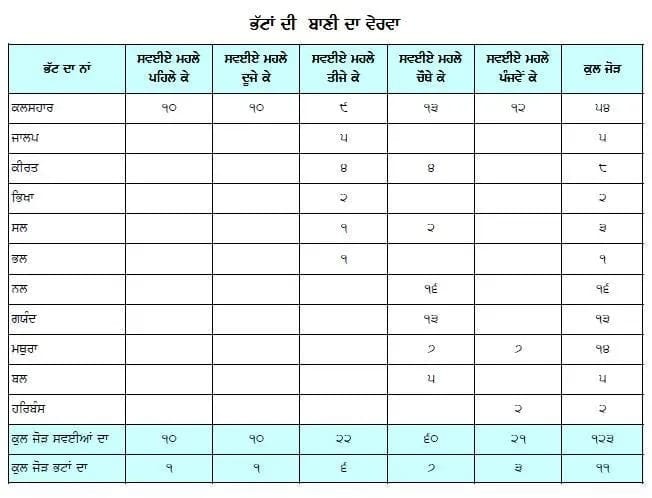
When there is so much internal evidence readily available, we do not need to rely on external sources that mention a different number of Bhatts. All we need to do is closely examine the Bani using the natural flow and logic of Guru Sahib’s ingenious numbering system.
Examination of Puratan Saroops
The letter ਕ and ਟ are similar enough that they can be mixed up, especially with certain writing styles. The reason that this typo crept into our Saroops is likely due to errors made by scribes copying Saroops. When copying a Saroop a scribe likely mistook the ਕ for a ਟ and eventually Talh replaced Kalh in a majority of Saroops.
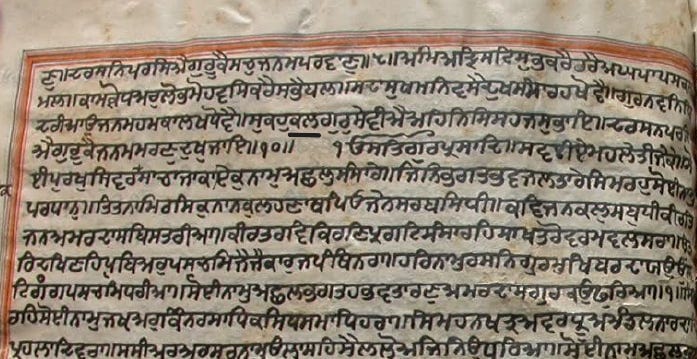
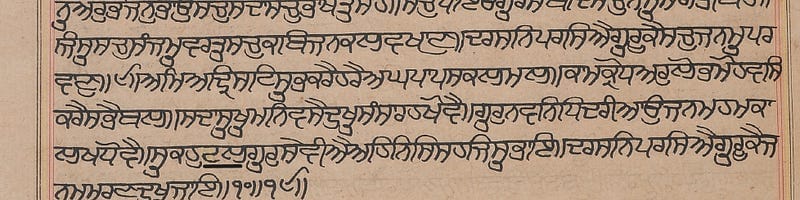
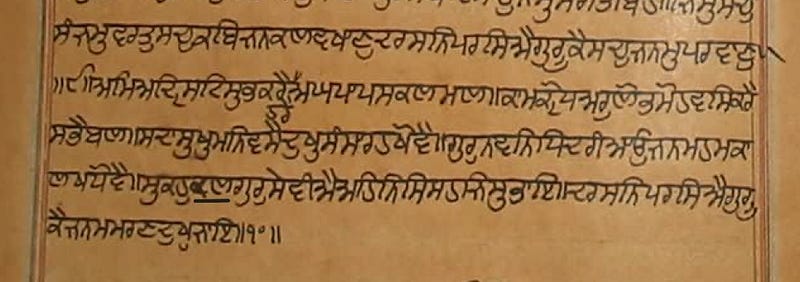
Below are eight examples where the word ਕਲ correctly appears instead of ਟਲ. A black line has been drawn underneath the word to help readers find it in the images below:
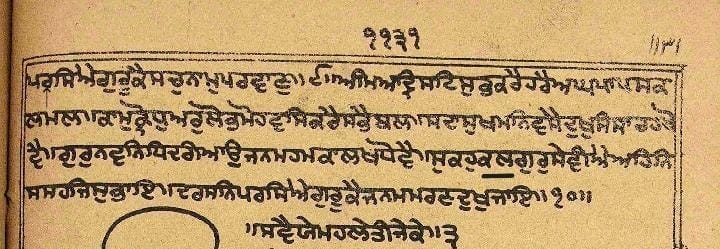




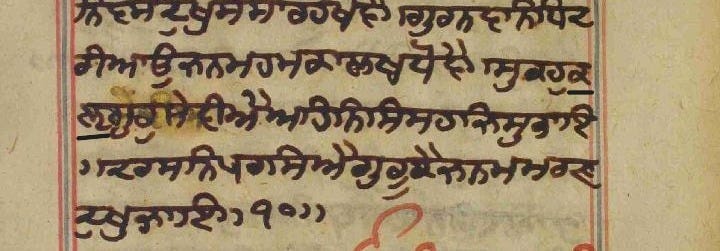
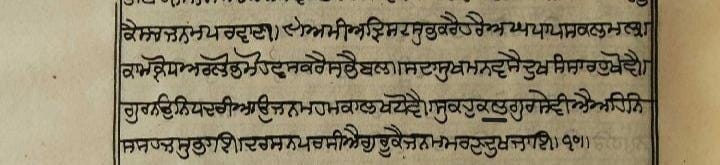
In the two images below someone has changed the correct ਕਲ to ਟਲ. They were most likely editing the Saroop with another Saroop that they believed to be more Shudh, but ended up inserting a typo into the Saroop.

In the image below, we can see that a scribe has fixed the error of ਟਲ to ਕਲ. This shows that Gursikhs in the past knew that the correct word was ਕਲ.
Conclusion
This article has provided evidence that proves that the correct word in the line ਸੁ ਕਹੁ ਕਲ ਗੁਰੁ ਸੇਵੀਐ ਅਹਿਨਿਸਿ ਸਹਜਿ ਸੁਭਾਇ ॥ ਦਰਸਨਿ ਪਰਸਿਐ ਗੁਰੂ ਕੈ ਜਨਮ ਮਰਣ ਦੁਖੁ ਜਾਇ ॥੧੦॥ is in fact ਕਲ and not ਟਲ. We have examined the Bani’s internal evidence as well Bhatt Bani’s numbering system that proves beyond doubt that there was no Bhatt Talh. We have also gone through a number of Puratan handwritten Saroops that also show the correct word ਕਲ being used. May we forever strive to fix scribal errors that have crept into Sri Guru Granth Sahib Ji.
Written By: Bhai Gagan Singh