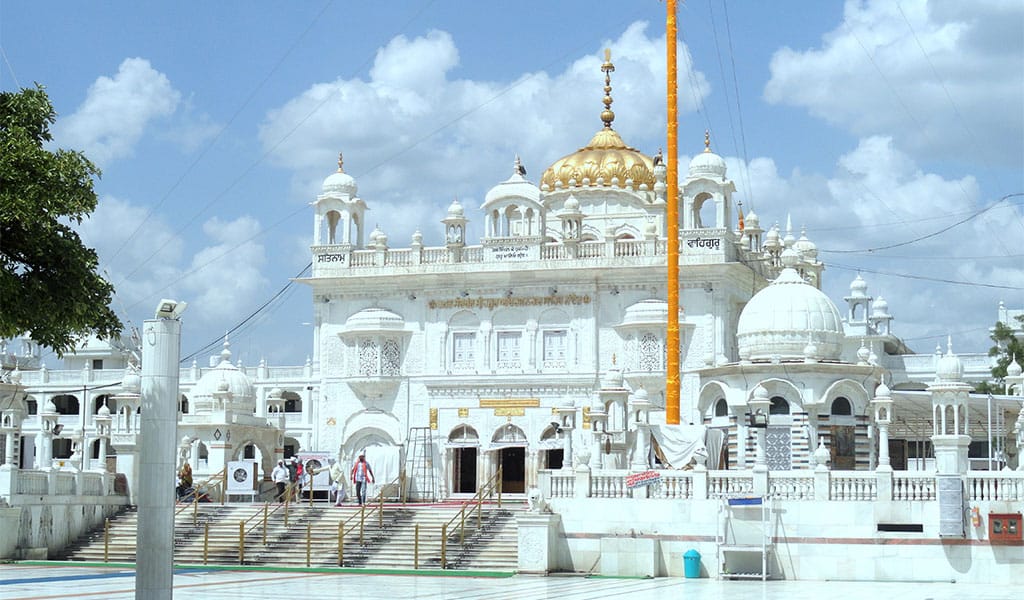
Takht Sri Hazoor Sahib holds a unique and exalted place in Sikhi. It is the sacred site where Guru Gobind Singh Ji, before leaving His physical form, bestowed Gurta-gaddi upon Sri Guru Granth Sahib Ji, establishing for all time the eternal Guru of the Khalsa Panth. Because of this, Hazoor Sahib is not merely a historical shrine; it is one of the five Takhats, institutions meant to guide the Panth strictly according to Gurmat and Khalsa maryada.
The Takht building itself was constructed between 1832 and 1837 under the patronage of Maharaja Ranjit Singh. However, history shows that physical structures alone do not preserve Gurmat. From the mid-1700s until the early twentieth century, much of Sikh institutional control had slipped away from the Khalsa. During periods of intense persecution, when Sikhs were hunted and forced to live in forests and remote regions, many gurdwaras, deras, bungas, and even Takhats came under the control of Nirmala and Udasi Mahants acting as caretakers.
Over time, significant sections of these groups absorbed prevailing Hindu religious customs. As a result, Brahminical and Sanatani rituals slowly entered Sikh spaces. Hindu texts were preached, fabricated sakhis gained popularity, and idol-based thinking crept into institutions meant to stand firmly on Gurmat. By the late nineteenth and early twentieth centuries, corruption and doctrinal dilution had become widespread, prompting the Singh Sabha and Gurdwara Reform (Akali) movements, through which the Khalsa reclaimed control of most major Sikh institutions and restored Panthic maryada.
Yet, even after these reforms, not all deviations were corrected. Some Sikh institutions, particularly those outside Panjab or under the influence of specific groups, continued to follow practices rooted more in ritualism than in Gurmat. Takht Sri Hazoor Sahib remains one of the most prominent and troubling examples of this unresolved legacy.
Despite its Takht status, several practices currently observed at Hazoor Sahib stand in direct contradiction to Gurmat and established Panthic rehat. Among these, the most serious is the separate and unequal administration of Amrit to Bibia. This is not a minor difference of local tradition, but a fundamental violation of Khalsa principles, striking at the very heart of equality, unity, and Khande di pahul as established by Guru Gobind Singh Ji.
Khande di pahul is one, equal, and universal
The Amrit Sanchaar ceremony is the foundation of the Khalsa Panth. Guru Gobind Singh Ji established Khande di Pahul in 1699. Khande-Di-Pahul (the Amrit of the double-edged sword) is accessible to all individuals, regardless of gender, caste, color, or creed.
ਪ੍ਰਥਮ ਰਹਿਤ ਯਹਿ ਜਾਨ ਖੰਡੇ ਕੀ ਪਾਹੁਲ ਛਕੇ ॥
ਸੋਈ ਸਿੰਘ ਪ੍ਰਧਾਨ ਅਵਰ ਨ ਪਾਹੁਲ ਜੋ ਲਏ ॥
(Rehatnama Bhai Desa Singh)
ਪੀਵਹੁ ਪਾਹੁਲ ਖੰਡਧਾਰ ਹੁਇ ਜਨਮੁ ਸੁਹੇਲਾ॥
(Bhai Gurdas Singh Vaaran)
The violation at Hazoor Sahib: Kirpan Amrit for bibia
At Hazoor Sahib, Bibia are separated from Singhs during Amrit Sanchaar and are given a different form of pahul:
This practice directly breaks Gurmat principles of equality and contradicts Rehatnama injunctions.
Bhai Chaupa Singh Ji clearly states:
ਜੋ ਸਿਖ, ਸਿਖਣੀ ਨੂੰ ਖੰਡੇ ਦੀ ਪਾਹੁਲ ਨਾ ਦੇਵੇ, ਸੋ ਤਨਖਾਹੀਆ ।
Denying Khande di pahul to women is not a small variation; it is a serious Panthic violation. Creating two different initiations within the Khalsa fractures the very unity that Guru Gobind Singh Ji established.
There is no historical, scriptural, or Rehat-based justification for Kirpan Amrit for Bibia. This practice is not Gurmat; it is a later innovation rooted in non-Sikh, Sanatani thinking.
Panj pyaare are mandatory, not optional
Gurmat is clear that Amrit must be given by Panj Pyaare, not by one individual.
ਪਾਂਚ ਸਿੰਘ ਅੰਮ੍ਰਿਤ ਜੋ ਦੇਵੈਂ ਤਾਂ ਕੋ ਸਿਰ ਧਰ ਛਕ ਪੁਨ ਲੇਵੈ ।
(Rehatnama Bhai Desa Singh)
ਇਕੁ ਸਿਖੁ ਦੁਇ ਸਾਧ ਸੰਗੁ ਪੰਜੀਂ ਪਰਮੇਸਰੁ।
(Bhai Gurdas Ji, Vaar 13)
Reducing Panj Pyaare to one person for Bibia again shows a lowering of spiritual status, something completely alien to Sikhi.
Other Anti-Gurmat practices prevalent at Hazoor Sahib
The issue of Amrit Sanchaar is not isolated. Hazoor Sahib continues to follow a maryada heavily influenced by Udasi and Sanatani traditions, introduced when control of the Takht was historically handed to Udasis.
Some of the major anti-Gurmat practices include:
These practices collectively transform a Takht from a Panthic guiding institution into a ritual-driven center, far removed from Gurmat.
Despite these well-documented deviations, Panthic leadership has largely remained silent. Senior Sikh leaders and Jathedars regularly visit Hazoor Sahib, accept siropaos, yet never publicly challenge these practices.
Silence in the face of anti-Gurmat maryada is not neutrality; it is endorsement.
Separate Kirpan Amrit for Bibia is not a minor difference of tradition. It is a direct rejection of Gurmat equality, a violation of Rehat, and an insult to the Khande di pahul established by Guru Gobind Singh Ji.
Hazoor Sahib is not an ordinary gurdwara. As a Takht, it must lead the Panth, not deviate from it. Reform is not disrespect; reform is loyalty to Gurmat.
Until Khande di pahul is restored as one, equal, and universal for all, and until Sanatani rituals are removed, the Maryada at Hazoor Sahib will remain a serious Panthic concern.
We’re here to help. Whether you’re curious about Gurbani, Sikh history, Rehat Maryada or anything else, ask freely. Your questions will be received with respect and answered with care.
Ask Question