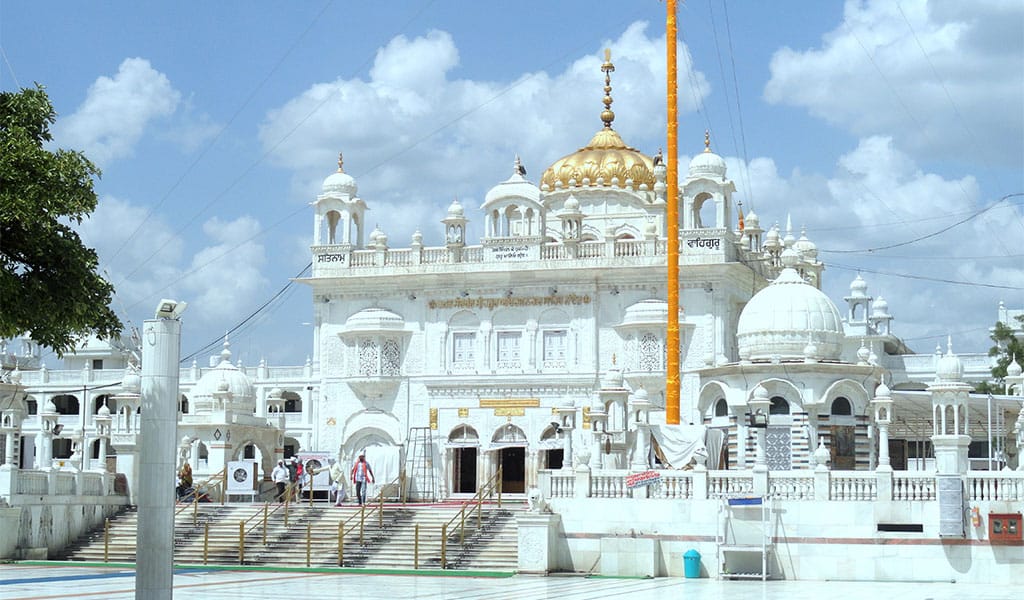
Takht Sri Hazoor Sahib holds a unique and exalted place in Sikhi. It is the sacred site where Guru Gobind Singh Ji, before leaving His physical form, bestowed Gurta-gaddi upon Sri Guru Granth Sahib Ji, establishing for all time the eternal Guru of the Khalsa Panth. Because of this, Hazoor Sahib is not merely a historical shrine; it is one of the five Takhats, institutions meant to guide the Panth strictly according to Gurmat and Khalsa maryada.
The Takht building itself was constructed between 1832 and 1837 under the patronage of Maharaja Ranjit Singh. However, history shows that physical structures alone do not preserve Gurmat. From the mid-1700s until the early twentieth century, much of Sikh institutional control had slipped away from the Khalsa. During periods of intense persecution, when Sikhs were hunted and forced to live in forests and remote regions, many gurdwaras, deras, bungas, and even Takhats came under the control of Nirmala and Udasi Mahants acting as caretakers.
Over time, significant sections of these groups absorbed prevailing Hindu religious customs. As a result, Brahminical and Sanatani rituals slowly entered Sikh spaces. Hindu texts were preached, fabricated sakhis gained popularity, and idol-based thinking crept into institutions meant to stand firmly on Gurmat. By the late nineteenth and early twentieth centuries, corruption and doctrinal dilution had become widespread, prompting the Singh Sabha and Gurdwara Reform (Akali) movements, through which the Khalsa reclaimed control of most major Sikh institutions and restored Panthic maryada.
Yet, even after these reforms, not all deviations were corrected. Some Sikh institutions, particularly those outside Panjab or under the influence of specific groups, continued to follow practices rooted more in ritualism than in Gurmat. Takht Sri Hazoor Sahib remains one of the most prominent and troubling examples of this unresolved legacy.
Despite its Takht status, several practices currently observed at Hazoor Sahib stand in direct contradiction to Gurmat and established Panthic rehat. Among these, the most serious is the separate and unequal administration of Amrit to Women. This is not a minor difference of local tradition, but a fundamental violation of Gurmat, striking at the very heart of equality, unity, and Khande di pahul as established by Guru Gobind Singh Ji.
Khande di pahul is one, equal, and universal
The Amrit Sanchaar ceremony is the foundation of the Khalsa Panth. Guru Gobind Singh Ji established Khande di Pahul in 1699. Khande-Di-Pahul (the Amrit of the double-edged sword) is accessible to all individuals, regardless of gender, caste, color, or creed.
ਪ੍ਰਥਮ ਰਹਿਤ ਯਹਿ ਜਾਨ ਖੰਡੇ ਕੀ ਪਾਹੁਲ ਛਕੇ ॥
ਸੋਈ ਸਿੰਘ ਪ੍ਰਧਾਨ ਅਵਰ ਨ ਪਾਹੁਲ ਜੋ ਲਏ ॥
(Rehatnama Bhai Desa Singh)
ਪੀਵਹੁ ਪਾਹੁਲ ਖੰਡਧਾਰ ਹੁਇ ਜਨਮੁ ਸੁਹੇਲਾ॥
(Bhai Gurdas Singh Vaaran)
The violation at Hazoor Sahib: Kirpan Amrit for Women (Bibia)
At Hazoor Sahib, Bibia are separated from Singhs during Amrit Sanchaar and are given a different form of pahul:
This practice directly breaks Gurmat principles of equality and contradicts Rehatnama injunctions.
Bhai Chaupa Singh Ji clearly states:
ਜੋ ਸਿਖ, ਸਿਖਣੀ ਨੂੰ ਖੰਡੇ ਦੀ ਪਾਹੁਲ ਨਾ ਦੇਵੇ, ਸੋ ਤਨਖਾਹੀਆ ।
Denying Khande di pahul to women is not a small variation; it is a serious Panthic violation. Creating two different initiations within the Khalsa fractures the very unity that Guru Gobind Singh Ji established.
There is no historical, scriptural, or Rehat-based justification for Kirpan Amrit for Bibia. This practice is not Gurmat; it is a later innovation rooted in non-Sikh, Sanatani thinking.
Panj pyaare are mandatory, not optional
Gurmat is clear that Amrit must be given by Panj Pyaare, not by one individual.
ਪਾਂਚ ਸਿੰਘ ਅੰਮ੍ਰਿਤ ਜੋ ਦੇਵੈਂ ਤਾਂ ਕੋ ਸਿਰ ਧਰ ਛਕ ਪੁਨ ਲੇਵੈ ।
(Rehatnama Bhai Desa Singh)
ਇਕੁ ਸਿਖੁ ਦੁਇ ਸਾਧ ਸੰਗੁ ਪੰਜੀਂ ਪਰਮੇਸਰੁ।
(Bhai Gurdas Ji, Vaar 13)
Reducing Panj Pyaare to one person for Bibia again shows a lowering of spiritual status, something completely alien to Sikhi.
Other Anti-Gurmat practices prevalent at Hazoor Sahib
The issue of Amrit Sanchaar is not isolated. Hazoor Sahib continues to follow a maryada heavily influenced by Udasi and Sanatani traditions, introduced when control of the Takht was historically handed to Udasis.
Some of the major anti-Gurmat practices include:
These practices collectively transform a Takht from a Panthic guiding institution into a ritual-driven center, far removed from Gurmat.
Despite these well-documented deviations, Panthic leadership has largely remained silent. Senior Sikh leaders and Jathedars regularly visit Hazoor Sahib, accept siropaos, yet never publicly challenge these practices.
Silence in the face of anti-Gurmat maryada is not neutrality; it is endorsement.
Separate Kirpan Amrit for Bibia is not a minor difference of tradition. It is a direct rejection of Gurmat equality, a violation of Rehat, and an insult to the Khande di pahul established by Guru Gobind Singh Ji.
Hazoor Sahib is not an ordinary gurdwara. As a Takht, it must lead the Panth, not deviate from it. Reform is not disrespect; reform is loyalty to Gurmat.
Until Khande di pahul is restored as one, equal, and universal for all, and until Sanatani rituals are removed, the Maryada at Hazoor Sahib will remain a serious Panthic concern.
We’re here to help. Whether you’re curious about Gurbani, Sikh history, Rehat Maryada or anything else, ask freely. Your questions will be received with respect and answered with care.
Ask Question
Savindarsingh
June 14, 2026Vahiguru Ji Ka Khalsa Vahiguru Ji Ki Fateh
I am not going to comment on the Kirpan di Amrit for women, Jhatka or shahididegh at Sachkhand Sri Hazur sahib ji. However I do respectfully raise contention with some of the other points you have brought up.
"influenced by Udasi and Sanatani traditions, introduced when control of the Takht was historically handed to Udasis."
When was the Takhat handed to Udasi mahants ? The first head Jathedar (Head Pujari) of Takhat Sahib was Baba Santokh Singh ji who was the only person permitted to enter the tented area (Singhasan/Angeetha Sahib) during the Sachkhandgaman of Guru Gobind Singh ji. Since then the lineage has remained down to present. Only the head and sahayak jathedar (Tayar bar tayar singhs ) are allowed to enter the Singhasan and nobody else.
"Some of the major anti-Gurmat practices include:
Aarti with lamps, ringing of bells, and lighting of oil lamps"
-What is anti Gurmat about this. Bhagat Sain ji is mentioning
ਧੂਪ ਦੀਪ ਘ੍ਰਿਤ ਸਾਜਿ ਆਰਤੀ ॥
If we use the first few lines of Aarti that
ਗਗਨ ਮੈ ਥਾਲੁ ਰਵਿ ਚੰਦੁ ਦੀਪਕ ਬਨੇ ਤਾਰਿਕਾ ਮੰਡਲ ਜਨਕ ਮੋਤੀ ॥
, By that logic we do not need to do Chaur Sahib over Guru maharaj as it is also mentioned by Bhagat Ravidaas ji that
ਤੇਰੋ ਕੀਆ ਤੁਝਹਿ ਕਿਆ ਅਰਪਉ ਨਾਮੁ ਤੇਰਾ ਤੁਹੀ ਚਵਰ ਢੋਲਾਰੇ ॥੩॥
"Ritual slaughter of goats(Jhatka), with blood used as tilak on weapons"
I wont comment on this
"Applying sandalwood tikkas to the sangat"
Again may I ask what is wrong in this? Where has Guru ji prohibited the use of Tilak? Guru ji has written ਮਾਥੇ ਤਿਲਕੁ ਹਥਿ ਮਾਲਾ ਬਾਨਾਂ ॥ but has also written ਰਾਮ ਭਗਤਿ ਬਿਨੁ ਨਿਹਫਲ ਸੇਵਾ ॥੨॥ I do not think this shabad prohibits use of Tilak, else there would also be prohibition on maala (there is not at all and all jathe across the Khalsa Panth have maale or use it to some extent). The shabad is talking that also without Bhagti of Parmatma ji even Seva is useless. It doesnt matter if you wear a tilak and have a maala in your hand and do seva if you are just doing it for show it is useless. One must do it with Parmatma in their heart and doing Simran , Bhajan bandagi of Parmatma. Dashmesh pita. ji has written that ਭੇਖ ਦਿਖਾਇ ਜਗਤ ਕੋ ਲੋਗਨ ਕੋ ਬਸਿ ਕੀਨ ॥ ਅੰਤਿ ਕਾਲ ਕਾਤੀ ਕਟਿਓ ਬਾਸੁ ਨਰਕ ਮੋ ਲੀਨ ॥੫੬॥ as in the ones who try to show off to the world of their religiousness or other outer wears they will be claimed by death also. And i can assure you that nobody is being pulled by their shirt forcibly and being forcefully applied tilak on their fore head.
Parallel prakash and hukamnama from Dasam Granth Sahib alongside Sri Guru Granth Sahib Ji
I would like to say that the Prakash of Sri Guru Granth Sahib ji maharaj is slightly higher than that of Sri Dasam Granth Sahib ji and it is the case in all Gurdware Sahiban in Nanded. Hukamnama is always taken first from Guru Granth Sahib ji. Prakash is not barabar inside the Takhat sahib. Is there any Issue, that says that we cannot take Hukamnama from Sri Dasam Granth sahib ji?
Extensive idol-like paintings of the Gurus inside the Takht
In Baba Atal Rai Gurdwara Sahib next to Gurdwara Kaulsar Sahib ji nearby Darbar Sahib Sri Amritsar they also have extensive paintings of the Life of Guru sahibaan and also of Shaheed singhs. I do not think this is an issue if any person does namaskaar to them, they are also remembering Maharaj through this mode. Will people also talk against these historical paintings inside Baba Atal Rai Gurdwara sahib as "Extensive" and "Idol-Like"?
I would also like to respectfully mention that if "the Maryada at Hazoor Sahib will remain a serious Panthic concern", the Maryada at many other Asthans in Panjab and worldwide is an even more serious concern. Chaupai Sahib and Rehraas sahib have been shortened by people perhaps to further some agenda against Dasam Gurbani. In Dasam Granth Sahib, Dashmesh pita ji never ended Sri Benti chaupai sahib at ਦੁਸਟ ਦੋਖ ਤੇ ਲੇਹੁ ਬਚਾਈ ॥੪੦੧॥, the poetic measure of Kabiyo baach benti chaupai ends at ਦੂਖ ਨ ਤਿਸੈ ਬਿਆਪਤ ਕੋਈ ॥੪੦੩॥. followed by the Arhil and Chaupai before the end of the Charitropakhiyan granth ,. Before the 20th century I cannot find anywhere that has the shortened 25 pauri version of Chaupai sahib. Some insane person in history has taken it upon himself to shorten Gurbani ji and get the masses to recite this shortened up version for whatever perverted reason. I think THIS is a greater violation of rahit maryada over the past 100 years rather than hukamnama of dasam granth sahib being taken or tilak being applied.
Admin
June 25, 2026Vaheguru Ji Ka Khalsa, Vaheguru Ji Ki Fateh Ji.
Thank you for your respectful response. We offer the following observations for consideration.
The central issue is not whether a practice exists today at Hazur Sahib, nor whether it is old. The question is whether it can be demonstrated to originate from Guru Sahib and accord with Gurbani, Gurmat and Khalsa Rehat.
1. Was Hazur Sahib ever under Udasi influence?
This is not a SikhiSeeker claim.
Akali Kaur Singh Nihang writes in "Takht Sri Hazur Abichal Nagar" (Bahu-Mulle Itihasak Lekh, edited by Sardar Karam Singh Historian, pp. 61–63):
"ਫਿਰ ਐਸਾ ਸਮਾਂ ਆਇਆ ਜਦੋਂ ਖ਼ਾਲਸੇ ਦੀ ਗਿਣਤੀ ਘੱਟ ਗਈ ਅਤੇ ਉਦਾਸੀਆਂ ਨੇ ਤਖ਼ਤ ਸਾਹਿਬ ਦਾ ਪ੍ਰਬੰਧ ਆਪਣੇ ਹੱਥਾਂ ਵਿੱਚ ਲੈ ਲਿਆ ਸੀ।"
Translation:
"Then a time came when the number of the Khalsa became small and the Udasis took the management of Takht Sahib into their own hands."
He further records:
"੧੭੮੮ ਈ. ਵਿੱਚ ਪੰਜਾਬ ਵਿੱਚ ਖ਼ਾਲਸੇ ਦਾ ਬੋਲ-ਬਾਲਾ ਹੋ ਗਿਆ ਸੀ। ਇਸ ਦੇ ਨਾਲ ਖ਼ਾਲਸੇ ਨੇ ਉਦਾਸੀਆਂ ਤੋਂ ਸੇਵਾ ਮੁੜ ਲੈਣ ਦੀ ਕੋਸ਼ਿਸ਼ ਕੀਤੀ।"
and:
"੧੮੦੯ ਈ. ਤੋਂ ੧੮੫੩ ਈ. ਤੱਕ ਸੇਵਾ ਸੰਭਾਲ ਦਾ ਪ੍ਰਬੰਧ ਮੁੜ ਖ਼ਾਲਸੇ ਦੇ ਹੱਥਾਂ ਵਿੱਚ ਆ ਗਿਆ ਸੀ।"
Thus the source itself records:
Khalsa management
Udasi control
Recovery by the Khalsa
Therefore, it is historically inaccurate to suggest that every current practice necessarily originates from Guru Sahib's time.
The same article later records disputes between the Hazuri Khalsa and Nirmalas, demonstrating that questions regarding Maryada at Hazur Sahib have existed for centuries.
2. The Hazuri Khalsa itself opposed non-Khalsa practices
In the same article, Akali Kaur Singh records that certain Nirmala sants wished to participate in Takht Sahib observances while not maintaining the discipline of all Panj Kakaars.
He writes:
"ਹਜ਼ੂਰੀ ਖ਼ਾਲਸੇ ਦਾ ਵਿਚਾਰ ਸੀ ਕਿ ਅੰਮ੍ਰਿਤਧਾਰੀ ਸਿੰਘ ਪੰਜ ਕਕਾਰਾਂ ਵਿਚੋਂ ਕਿਸੇ ਇਕ ਤੋਂ ਭੀ ਹੀਨ ਹੋ ਕੇ ਤਨਖ਼ਾਹੀਆ ਤੇ ਕੇਸ ਹੀਨ ਹੋ ਕੇ ਪਤਿਤ ਹੁੰਦਾ ਹੈ।"
Translation:
"The Hazuri Khalsa held that an Amritdhari Sikh deficient in even one of the Five Kakaars became liable to religious discipline, and if without Kes became a patit."
Therefore, the historical Hazuri Khalsa itself did not accept every practice merely because someone wished to perform it. They examined practices according to Khalsa discipline.
3. Aarti with lamps and bells
You cited:
"ਧੂਪ ਦੀਪ ਘ੍ਰਿਤ ਸਾਜਿ ਆਰਤੀ"
However, the issue is not whether the words "deep" and "dhoop" occur in Gurbani.
The question is whether Gurbani establishes ritual lamp worship as Sikh religious practice.
Guru Nanak Sahib declares:
"ਗਗਨ ਮੈ ਥਾਲੁ ਰਵਿ ਚੰਦੁ ਦੀਪਕ ਬਨੇ ਤਾਰਿਕਾ ਮੰਡਲ ਜਨਕ ਮੋਤੀ ॥"
Rather than prescribing ritual Aarti, Guru Sahib transforms it.
The sky becomes the platter.
The sun and moon become the lamps.
The stars become the pearls.
The entire cosmos performs the Aarti.
The Shabad universalises Aarti; it does not establish ritual lamp worship as a Sikh ceremony.
Similarly, Chaur Sahib is not comparable.
A Chaur Sahib is a royal insignia denoting sovereignty and honour to Guru Sahib. It is not a ritual offering to a deity.
4. Tilak
The issue is not sandalwood.
The issue is whether ritual Tilak forms part of Sikh religious identity.
The Khalsa identity bestowed by Guru Gobind Singh Ji is founded upon:
Naam
Kes
Panj Kakaars
Rehat
not ritual marks, sacred ash or sectarian symbols.
Therefore, the question is not whether Tilak can physically be applied.
The question is whether it forms part of Sikh religious discipline.
Historically, Singh Sabha scholars and Khalsa reformers concluded that it does not.
5. Parallel Prakash and Hukamnama
This is perhaps the most important issue.
The concern is not respect for Dasam Bani.
The concern is preserving the unique Guruship of Sri Guru Granth Sahib Ji.
Guru Sahib teaches:
"ਜੇ ਕੋ ਕਰੇ ਉਸ ਦੀ ਰੀਸ ਸਿਰਿ ਛਾਈ ਪਾਈਐ ॥ ਨਾਨਕ ਅਪੜਿ ਕੋਇ ਨ ਸਕਈ ਪੂਰੇ ਸਤਿਗੁਰ ਕੀ ਵਡਿਆਈਆ ॥"
(Sri Guru Granth Sahib Ji, Ang 1250)
Translation:
"If someone attempts to rival Guru Sahib, disgrace follows. None can equal the greatness of the Perfect True Guru."
Giani Gian Singh's testimony
In Panth Prakash (completed 1867), Giani Gian Singh records Sikhs requesting Guru Gobind Singh Ji to compile His own Bani into a separate Granth.
Guru Sahib is recorded as replying:
"ਗੁਰੂ ਅਰਜੁਨ ਬਡ ਭਏ ਉਪਕਾਰੀ ।"
and:
"ਉਨਕੀ ਨਹਿ ਬਰਾਬਰੀ ਚਹੀਏ । ਨ ਹਮ ਕਰੈਂ ਨ ਤੁਮ ਫਿਰ ਕਹੀਏ ।"
and:
"ਪੂਜਨ ਜੋਗ ਗ੍ਰੰਥ ਰੂਪ । ਰਹਿ ਹੈ ਸੋਊ ਸਦਾ ਅਨੂਪ ।"
(Panth Prakash, Chapter 39, p. 320)
Translation:
"Guru Arjan rendered a great service."
"There should be no equality with it. Neither shall I do so, nor should you ever speak of it again."
"That Granth alone shall remain worthy of reverence and shall forever remain unique and incomparable."
Whether one views this as verbatim history or nineteenth-century Sikh historical tradition, it clearly demonstrates how Sikh tradition understood the unique status of Sri Guru Granth Sahib Ji.
1942 Panthic Gurmatta
At the Sarab Hind Kooka Kufar Tor Akali Conference, Mullanpur (21–22 February 1942), a Gurmatta passed by:
Baba Kharak Singh Ji
Akali Kaur Singh Nihang
Bhai Sahib Randhir Singh Ji
Jathedar Visakha Singh Ji
Baba Bhagwan Singh Ji Reru Sahib
concluded that:
Giving Dasam Granth the status of Guru, conducting its Akhand Paath at Sri Akal Takht Sahib, or installing it in equality with Sri Guru Granth Sahib Ji was not appropriate.
Reference: Pradhangi Address: Kooka Kufar Tor Akali Conference (1942), pp. 1–4, Giani Press, Ludhiana.
Sri Akal Takht Sahib Gurmatta (6 June 2008)
The Five Singh Sahibs declared:
"Sri Dasam Granth is an integral part of Sikh literature and history, but Guru Gobind Singh Ji did not recognise it as equal to Sri Guru Granth Sahib Ji."
The Gurmatta further states:
"Since Guruship was bestowed only upon Sri Guru Granth Sahib Ji, no other Granth can be installed alongside Sri Guru Granth Sahib Ji."
Therefore the concern regarding parallel Prakash and parallel Hukamnama is not anti-Dasam Granth.
It is about preserving the singular Guruship of Sri Guru Granth Sahib Ji.
6. Paintings at Baba Atal Rai
The question is not whether paintings are historical.
The question is whether they are Gurmat.
Most historians attribute the murals at Baba Atal and other Sikh shrines to the nineteenth century, particularly the period of Maharaja Ranjit Singh's restoration of Sikh shrines.
This was also a period when Udasi and Nirmala influence was widespread across many Sikh institutions.
Something being historical does not prove that it originated from Guru Sahib.
After all:
10 years ago is history.
100 years ago is history.
200 years ago is history.
Age does not determine truth.
Gurbani determines truth.
If historical existence alone established validity, then Sikhs would also have to accept numerous Mahant-era practices that were later rejected during the Gurdwara Reform Movement.
The issue is not whether paintings exist.
The issue is whether Sikhi directs spiritual focus toward images or toward Shabad Guru.
The consistent emphasis of Gurbani is Shabad Guru.
7. Present-day Hazur Sahib administration does not prove Guru-period origin
It is also worth noting that Hazur Sahib today is administered under a statutory board created through legislation, with government involvement in its structure and appointments.
The point here is not political criticism but historical reality.
Over the last three centuries Hazur Sahib has experienced:
Khalsa administration
Udasi influence
Nirmala influence
state involvement
modern statutory governance
Many Sikhs have also expressed concern when individuals associated with RSS and BJP-linked circles have been appointed to influential positions connected with the management structure of Hazur Sahib. These concerns arise because many Sikhs view such organisations as advocating a broader Hindu-nationalist framework that does not fully recognise the distinct and sovereign identity of Sikhi.
Whether one agrees with those concerns or not, they highlight an important point: the administration of Hazur Sahib has not existed in isolation from wider political and ideological influences.
For that reason, Sikhs cannot simply assume that every contemporary practice at Hazur Sahib automatically represents Guru-period Maryada.
The existence of a practice at Hazur Sahib today does not by itself prove that the practice originated from Guru Gobind Singh Ji.
Every practice must still be examined against:
Gurbani
Gurmat
Khalsa Rehat
reliable Sikh historical sources
That is the same principle applied by the Singh Sabha reformers and the Gurdwara Reform Movement when evaluating practices that had accumulated at Sikh institutions over time.
8.The claim that the 25-pauri form of Benti Chaupai is an alteration of Gurbani does not withstand scrutiny.
First, there is no agreement amongst those who advocate a longer version regarding where Chaupai Sahib actually begins. Some begin from verse 366, others from verse 368, others from verse 374, and others from verse 375.
This immediately raises an obvious question:
If ending at verse 401 is supposedly "incomplete" because the text continues afterwards, then why is beginning at verse 377 not equally "incomplete" when the text clearly continues before it?
For example, one popular practice begins at verse 375:
"ਪੁਨਿ ਰਾਛਸ ਕਾ ਕਾਟਾ ਸੀਸਾ..."
The very first word is "ਪੁਨਿ" ("then"). The passage is describing events already underway in a battle between a demon and Maha Kaal. It is self-evident that the narrative begins earlier and that the context has been omitted.
Likewise, versions beginning at verses 374, 368, or 366 all start in the middle of an ongoing narrative concerning a battle with demons. None of these starting points represents the beginning of the 404th Charitar.
Therefore, those who argue that Chaupai Sahib must be extended because "the text continues" after verse 401 are themselves selecting a starting point while omitting earlier material. The principle is being applied in one direction but not the other.
The reality is that Sikh tradition has never required the recitation of an entire composition whenever a portion of it is prescribed for liturgical use.
Why do we recite only the opening Pauri of Chandi Di Vaar in Ardaas and not the entire composition? Because that Pauri contains the theme relevant to Ardaas.
Why do we recite only the ten Svaiyye beginning "ਸ੍ਰਾਵਗ ਸੁਧ" and not the entirety of Akaal Ustat? Because those verses have been prescribed for that purpose.
Why do many Sikhs perform a Jaap ending at "ਨਾਨਕ ਹੋਸੀ ਭੀ ਸਚੁ" rather than reciting the entirety of Jap Ji Sahib? Because Sikh tradition distinguishes between a complete composition and a prescribed liturgical recitation.
The same principle applies to Benti Chaupai.
The Sikh Rehat Maryada identifies Kabiyo Bach Benti Chaupai as verses 377–401. This section forms a complete supplication (benti) before Akaal Purakh.
The verses that follow are not further pleas or supplications. Instead they refer to the completion of the Granth and the fruits obtained from reading it:
"ਗ੍ਰੰਥ ਕਰਾ ਪੂਰਨ ਸੁਭਰਾਤਾ..."
"ਪੂਰਨ ਕਰਾ ਗ੍ਰੰਥ ਤਤਕਾਲਾ..."
These verses are speaking about the completion of the Granth itself and are therefore different in subject matter from the preceding prayer. They are then followed by an Arril, another Chaupai, the completion date of the Granth, and finally the formal conclusion of Charitro Pakhyan.
A Sikh may certainly choose to recite beyond verse 401 as part of personal Nitnem. However, it is historically inaccurate to claim that Sikhs following the Sikh Rehat Maryada are reciting a mutilated or incomplete Chaupai Sahib.
If one wishes to argue from "completeness", then consistency would require reading the entire 404th Charitar, not merely adding two more verses at the end while simultaneously omitting hundreds of verses from the beginning.
The debate is therefore not about whether verses 402–403 exist. Everyone agrees they do. The debate is about where the liturgical prayer known as Kabiyo Bach Benti Chaupai begins and ends. The Panthic standard adopted in the Sikh Rehat Maryada identifies that prayer as verses 377–401, and there is no evidence that this was the result of a conspiracy to weaken Sikhs or undermine Dasam Bani.
Conclusion
We fully agree that there are serious Panthic issues elsewhere as well.
However, one issue does not cancel another.
The sanctity of Takht Sri Hazur Sahib is unquestioned.
The historical origin and Gurmat validity of every practice associated with it, however, remains a legitimate subject of Panthic discussion.
Ultimately, Sikhs do not determine truth by asking:
"Is it old?"
or
"Is it practised at a historic shrine?"
Rather, Sikhs ask:
"Does it accord with Gurbani?"
"Did Guru Sahib establish it?"
"Does it conform to Gurmat and Khalsa Rehat?"
That has always been the Sikh standard.
Bhul Chuk Maaf.
SikhiSeeker.com Team