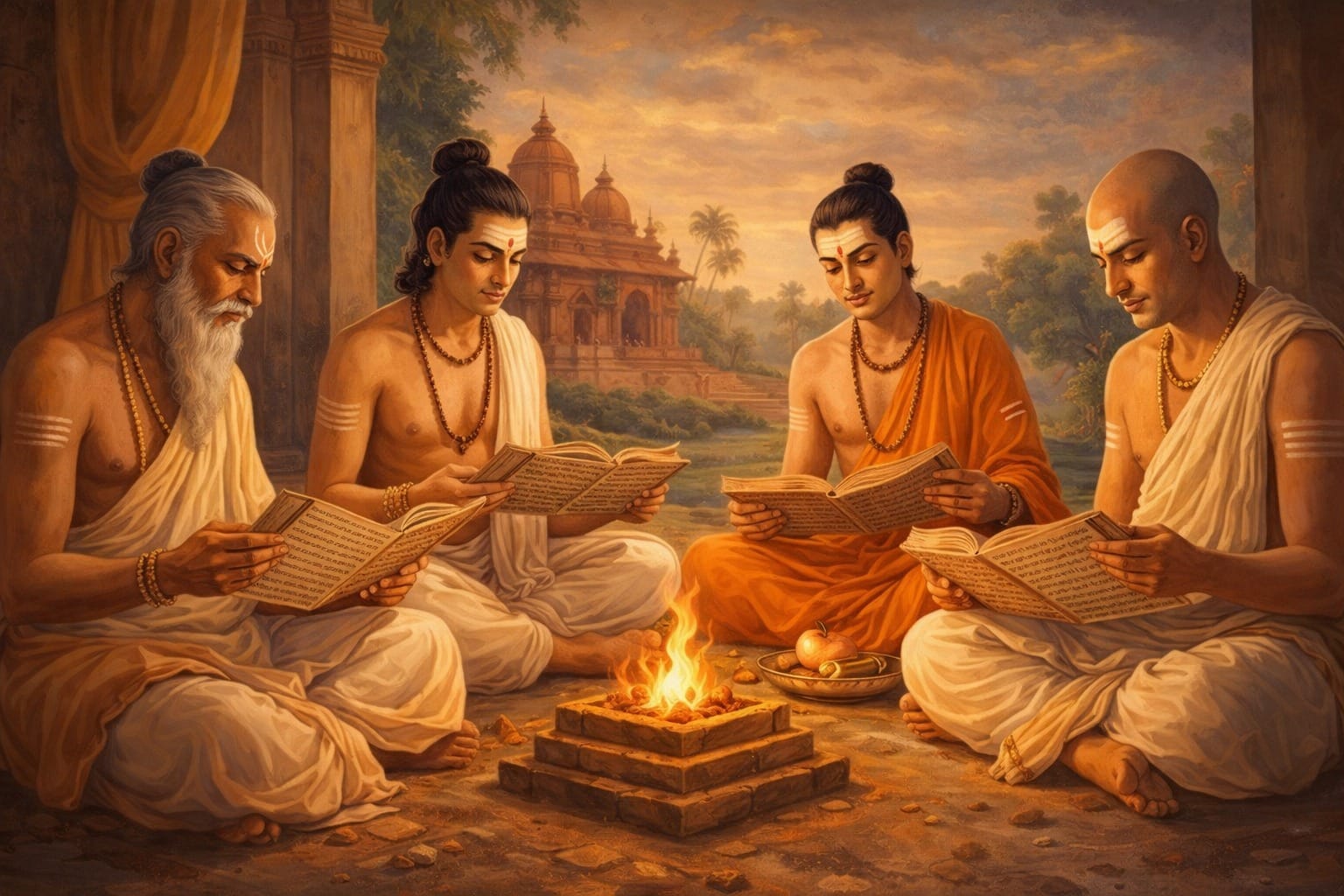
In the vast ocean of Gurbani, every verse carries profound wisdom. One such verse is:
ਵੇਦਾ ਮਹਿ, ਨਾਮੁ ਉਤਮੁ ਸੋ ਸੁਣਹਿ ਨਾਹੀ, ਫਿਰਹਿ ਜਿਉ ਬੇਤਾਲਿਆ ॥
-Guru Granth Sahib: Ang 919
This line from Sri Guru Granth Sahib Ji is frequently misquoted to claim that the Vedas contain the essence of Naam. However, this interpretation contradicts the central teachings of Gurmat.
Actual Meaning: Entrapped within the Vedas, the Name most exalted they hear not, and wander around like ghosts.
Vichaar: This Pangti is speaking about individuals who become entrapped within the religious discourses of the Vedas and thus do not avail their ears to the much higher Truth of Naam. In doing so, they remain unenlightened.
(ਜੋ) ਵੇਦਾਂ ਵਿਚ ਹੀ ਉਲਝੇ ਰਹਿੰਦੇ ਹਨ ਅਤੇ ਨਾਮ ਉਤਮ ਸੁਣਦੇ ਨਹੀਂ, ਉਹ ਭੂਤਨਿਆਂ ਵਾਂਗ ਫਿਰਦੇ ਰਹਿੰਦੇ ਹਨ ਭਾਵ ਮਾਇਆ ਦੇ ਦੀਵਾਨੇ ਕੀਤੇ ਹੋਏ ਮਾਇਆ ਦੀ ਦੌੜ ਵਿਚ ਲਗੇ ਰਹਿੰਦੇ ਹਨ।
ਪੰਕਤੀ ਦਾ ਅਨਵੈ: ਨਾਮ ਉਤਮ ਹੈ ਸੋ ਸੁਣਦੇ ਨਹੀਂ, ਵੇਦਾਂ ਮਹਿ ਬੇਤਾਲਿਆਂ (ਭੁਤਨਿਆਂ) ਵਾਂਗ ਫਿਰਦੇ ਹਨ। ਇਸਦਾ ਮਤਲਬ ਹੈ ਕਿ ਅਗਿਆਨੀ ਲੋਕ ਭੂਤਾਂ ਵਾਂਗ ਵੇਦਾਂ ਵਿਚ ਹੀ ਭਟਕਦੇ ਰਹਿੰਦੇ ਹਨ ਅਤੇ ਨਾਮ ਨੂੰ ਸੁਣਦੇ ਹੀ ਨਹੀਂ। ਇਸ ਪੰਕਤੀ ਦਾ ਕਈ ਲੋਕ ਇਹ ਅਰਥ ਕਰਦੇ ਹਨ ਕਿ ਵੇਦਾਂ ਵਿਚ ਨਾਮ ਹੈ ਪਰ ਇਹ ਗਲ ਤਾਂ ਗੁਰਮਤਿ ਦੇ ਵਿਰੋਧ ਵਿਚ ਹੈ ਕਿਉਂਕਿ ਇਸੇ ਬਾਣੀ ਦੀ ੨੭ ਵੀਂ ਪਉੜੀ ਵਿਚ ਦਰਜ ਹੈ ਕਿ ਸਿਮ੍ਰਿਤਿ ਸ਼ਾਸਤ੍ਰ ਕੇਵਲ ਪਾਪ ਪੁੰਨ ਦੀ ਵਿਚਾਰ ਕਰਦੇ ਹਨ ਪਰ ਤੱਤ ਦੀ ਸਾਰ ਨਹੀਂ ਜਾਣਦੇ।
– Arth from Bhai Kahn Singh Nabha
ਬੇਬਰਜਤ ਬੇਦ ਸੰਤਨਾ ਉਆਹੂ ਸਿਉ ਰੇ ਹਿਤਨੋ ॥
-Guru Granth Sahib: Ang 212
Meaning: Those Vedas have been rejected by the Gurmukh saints, (yet) the people continue to be attached to them.
ਭਾਵ ਅਰਥ: ਸੰਤ ਜਨਾਂ ਗੁਰਮੁਖਾਂ ਨੇ (ਜੇਹੜਾ) ਮਨਾਹ ਕੀਤਾ ਹੈ (ਬਰਜਿਆਹੈ) ਬੇਦਾਂ (ਦੇ ਪੜ੍ਹਨ) ਨੂੰ ਉਸੇ (ਬੇਦਾਂ ਦੇ ਪੜ੍ਹਨ) ਨਾਲਿ ਹੀ ਮਮਤਾ ਮਈ ਨੇਹੁ (ਹਿਤ) ਲਾਉਂਦਾ ਹੈ। ਕਈ ਵੇਦ ਮਤਿ ਅਵਲੰਬੀ ਗਿਆਨੀ ਇਉਂ ਅਰਥ ਕਰਦੇ ਹਨ ਕਿ ਜੋ ਚੀਜ਼ ਬੇਦਾਂ ਨੇ ਤੇ ਸੰਤਾਂ ਨੇ ਬਰਜੀ ਹੋਈ (ਮਨਾਹ ਕੀਤੀ ਹੋਈ) ਹੈ ਉਸ ਦੇ ਨਾਲਿ ਹੀ ਹਿਤ ਪਿਆਰ ਕਰਦਾ ਹੈ । ਪਰ ਏਹ ਅਰਥ ਗੁਰਮਤਿ ਪ੍ਰਤਿਕੂਲ ਹਨ ਅਤੇ ਗੁਰਬਾਣੀ ਦੇ ਲਗਾਂਮਾਤ੍ਰੀ ਨਿਯਮਾਂ ਅਨੁਸਾਰ ਨਹੀਂ। ‘ਬੇਦਾਂ ਨੇ’ ਅਰਥ ਤਾਂ ਤਦ ਬਣਦਾ ਜੇਕਰ ‘ਬੇਦ’ ਦੇ ਥਾਉਂ ‘ਬੇਦਿ’ ਦੱਦਾ ਸਿਹਾਰੀ ਨਾਲਿ ਲਿਖਿਆ ਹੁੰਦਾ। ਦੱਦੇ ਮੁਕਤੇ ਨਾਲ ‘ਬੇਦ’ ਕਦੇ ‘ਬੇਦ ਨੇ’ ਦਾ ਅਰਥ ਨਹੀਂ ਦੇ ਸਕਦਾ। ਇਹ ਪੱਕਾ ਨਿਯਮ ਹੈ। ਦੱਦੇ ਮੁਕਤੇ ਨਾਲਿ ਨਾਂਵ (noun) ਕੋਈ ਭੀ ਹੋਵੇ ‘ਨੂੰ’ ਯਾ ‘ਤੇ’ ਦੇ ਅਰਥ ਤਾਂ ਦੇ ਜਾਂਦਾ ਹੈ ਪਰ ‘ਨੇ’ ਦੇ ਕਦਾਚਿਤ ਨਹੀਂ ਦਿੰਦਾ। ਇਹ ਪੱਕਾ ਫ਼ੈਸਲਾ ਹੈ। ਬਸ ਦੂਜਾ ਅਰਥ ਹੋ ਹੀ ਨਹੀਂ ਸਕਦਾ।
ਸਿਮ੍ਰਿਤਿ ਬੇਦ ਪੁਰਾਣ ਪੁਕਾਰਨਿ ਪੋਥੀਆ ॥
-Guru Granth Sahib: Ang 761
Meaning: The Simritis, Vedas, and Puranic texts holler (i.e. babble meaninglessly).
ਸਿਮ੍ਰਿਤੀਆਂ, ਬੇਦ ਤੇ ਪੁਰਾਨ ਆਦਕ ਪੋਥੀਆਂ ਹੋਛੀਆਂ ਗੱਲਾਂ ਹੀ ਪੁਕਾਰਦੀਆਂ ਹਨ। ਜਿਨ੍ਹਾਂ ਵਿਚਿ ਨਿਰਾ ਕੂੜ ਹੀ ਕੂੜ ਭਰਿਆ ਹੋਇਆ ਹੈ। ਨਾਮ ਤੋਂ ਬਿਨਾਂ ਹੋਰ ਪੁਕਾਰ ਸਭ ਕੂੜ ਦੀ ਪੁਕਾਰ ਹੈ। ਨਾਮ ਦਾ ਏਹਨਾਂ ਪੋਥੀਆਂ (ਸਿਮ੍ਰਿਤ, ਬੇਦ, ਪੁਰਾਨ ਆਦਿਕ) ਵਿਚਿ ਨਮੂਦ ਭੀ ਨਹੀਂ।
The Simritis, Vedas, and Puranic texts proclaim hollow ideas. They are filled with nothing but falsehood upon falsehood. All other proclamations, apart from Naam (the Divine Name), are false. The mention of Naam is not found in these texts (Simritis, Vedas, and Puranas).
ਬੇਦ ਕਤੇਬ ਕਹਹੁ ਮਤ ਝੂਠੇ ਝੂਠਾ ਜੋ ਨ ਬਿਚਾਰੈ ॥
-Guru Granth Sahib: Ang 919
Meaning: (Oh Mulla!) Declare the religions of Vedic and Abrahamic texts to be false; (and) false are those who do not contemplate (the Truth).
ਵੇਦਾਂ ਅਤੇ ਕਤੇਬਾਂ ਦੀਆਂ ਮਤਾਂ ਨੂੰ ਝੂਠਾ ਕਹੁ ਕਿੳਂਕਿ ਜੋ ਨਾਮ ਨੂੰ ਨਹੀ ਵਿਚਾਰਦਾ ਸੋ ਝੂਠਾ ਹੁੰਦਾ ਹੈ।
ਮਤ Is often misinterpreted here to be “do not”. However, in this context ਮਤ means religion. The entire Shabad is attacking the falseness, hypocrisy, and cruelty of the Mullah’s religious practices, particularly the heartless ritualistic killing of chickens.
– Arth from “Gurbani Diya Lagamatra Di Vilakhanta” by Bhai Sahib Randhir Singh Ji.
More verses in which the word ਮਤ is used, where it refers to religion.
ਜਿਨ ਕੀ ਲਿਵ ਹਰਿ ਚਰਨਨ ਲਾਗੀ ॥
ਤੇ ਬੇਦਨ ਤੇ ਭਏ ਤਿਆਗੀ ॥੧੯॥
-Dasam Granth Sahib
Meaning: Those whose loving conscious has to the Lord’s feet been joined; they, to the Vedas, have become unattached.
In Bachittar Natak, Sri Guru Gobind Singh Ji has described the state of mind of those who truly love the Lord. They, by default, are unattached to the Vedas and Vedic philosophies.
Punjabi: ਜਿਨ੍ਹਾ ਦੀ ਲਿਵ ਹਰਿ-ਚਰਨਾ ਨਾਲ ਲਗ ਗਈ, ਉਨ੍ਹਾ ਨੇ ਵੇਦਾ (ਦੇ ਮਾਰਗ ਦਾ) ਤਿਆਗ ਕਰ ਦਿੱਤਾ.
We’re here to help. Whether you’re curious about Gurbani, Sikh history, Rehat Maryada or anything else, ask freely. Your questions will be received with respect and answered with care.
Ask Question