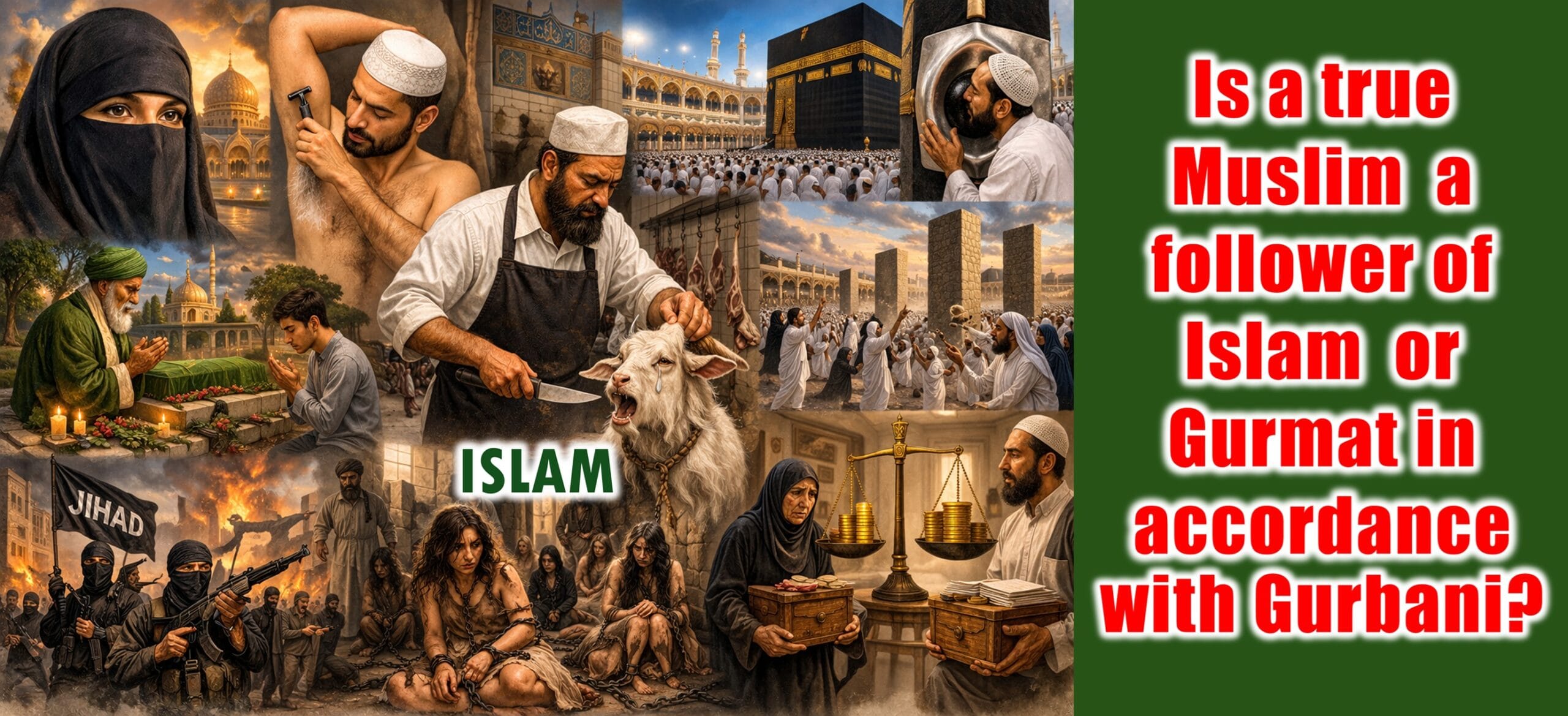
It is often heard, from many Sikhs, and at times even from some preachers, that Guru Sahib never told anyone to become a Sikh. It is said, “If you are a Muslim, then become a good Muslim; if you are a Hindu, then become a good Hindu.” This idea raises a serious question: then why Sikhi? Why the need for Gurbani, when the Quran, Bible, and Vedas already exist?
Sikhi teaches to love all human beings and does not teach hatred towards anyone. This article is not meant to hurt the sentiments of any religion or community, but rather to remove the misconceptions being spread in the name of Gurbani.
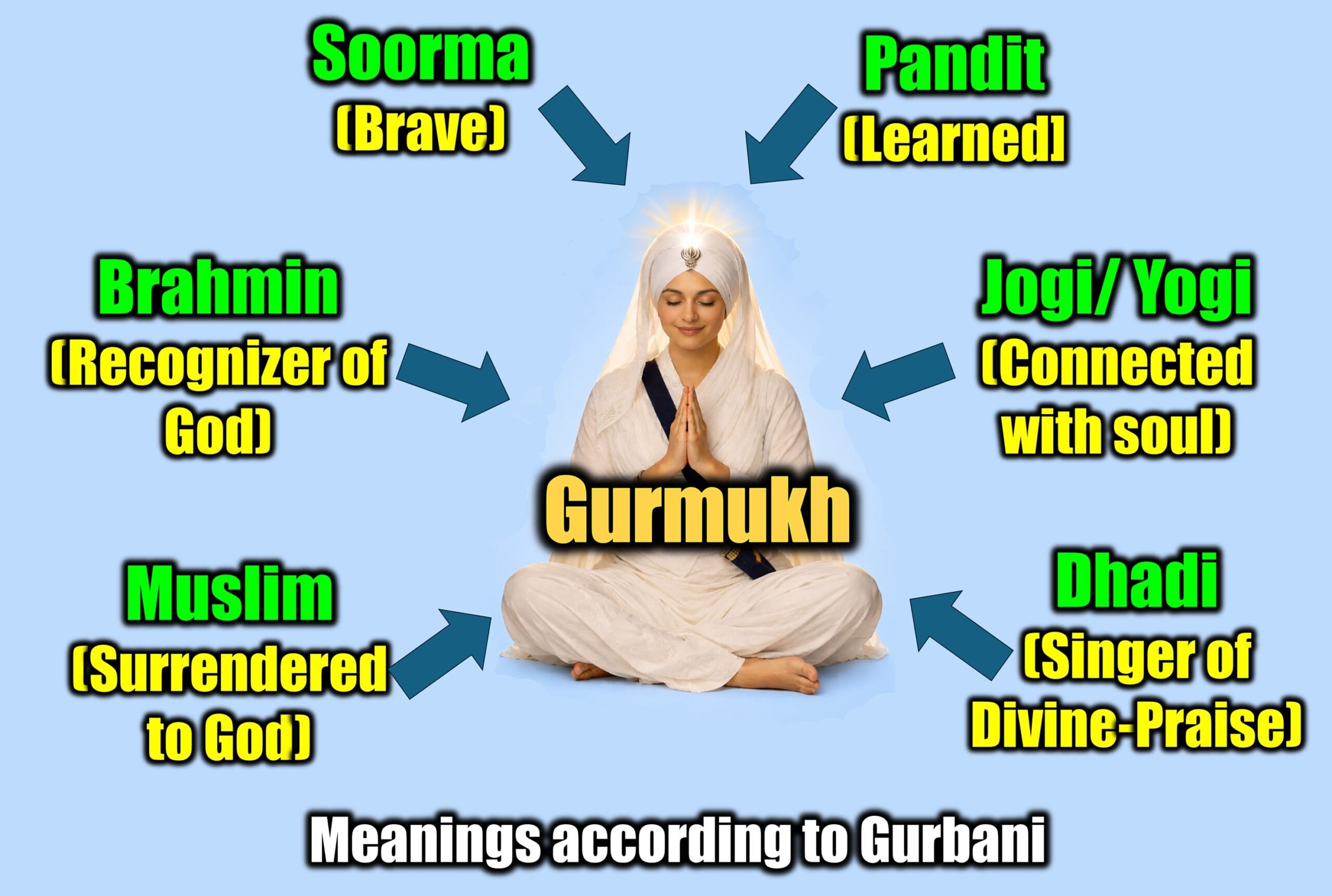
Satguru Nanak Dev Ji used familiar religious terms known to the people and explained their true spiritual meanings according to Gurmat. In the context of the Janeu, he rejected the thread-based Janeu, which symbolized caste divisions, social hierarchy, and discrimination between men and women. However, through the word “Janeu,” he taught the concept of the true Janeu, rooted in truth, compassion, contentment, and purity. In the same way, while rejecting the outward rituals of Namaz promoted by clerics and the Hatha-yoga propagated by yogis, Satguru Nanak Dev Ji used those very terms to convey the true essence of spirituality through Gurmat definitions.
Therefore, to claim, based on the Janeu-related Shabad in Raag Asa, that Satguru Nanak Dev Ji told Hindus to wear the Janeu is ignorance. Satguru Nanak Dev Ji rejected man-made rituals that distance a person from truth, compassion, and righteousness, but through the examples he used, he imparted the understanding of true Dharam. This same approach can be seen in terms such as Namaz, Masjid, the five prayer times, and Yog.
“Muslim” (مُسْلِم) originally means: “one who submits”, a person who bows before the will of God.
Here, a very important point to note is that during the time of Abraham there was no Muhammad, no Quran, and no Hadith. Yet the Quran still refers to him as a “Muslim.” This clearly shows that the true meaning of “Muslim” is complete submission to God, not merely a follower of the religion of Islam.
Here, the definition of “Muslim” is entirely spiritual and does not refer to the religion of Islam, Prophet Muhammad (the Prophet of Islam), or Hadith (collections of sayings and actions attributed to Muhammad). Here, “Muslim” simply means a person who is fully submitted to God.
Some people argue that Gurbani instructs Muslims to offer prayers five times a day and go to the mosque. They refer to the following lines:
It is important to understand that the true meaning of “Namaz”, “five times (prayers)”, and “Masjid” is itself explained within Gurbani.
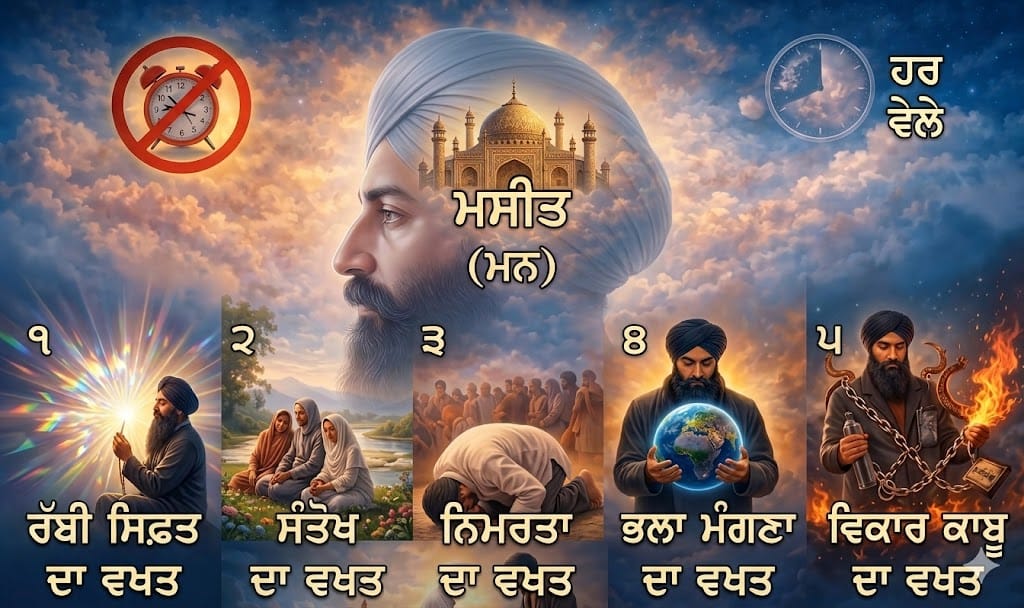
Here, Guru Sahib has clearly defined the meaning of “five times (Panj Vaqt).” It does not refer to standing at fixed times of the day to perform a ritual Namaz. Instead, it refers to inner spiritual practices throughout a person’s life:
Thus, the meaning of “Panj Vaqt” refers to five spiritual states and disciplines of life, not the fixed ritual prayers defined in Islamic jurisprudence.
Now that the true Gurmat meanings of “Masjid”, “Namaz”, and “five times (Panj Vaqt)” have been made clear according to Gurbani, we return to the Shabad that was quoted earlier:
This Shabad does not criticize any external ritual; it speaks about inner inattentiveness. According to Gurmat, true Namaz, true Masjid, and true Panj Vaqt exist within, where the mind is imbued with Naam, ego is broken, and the being remains absorbed in God’s will.
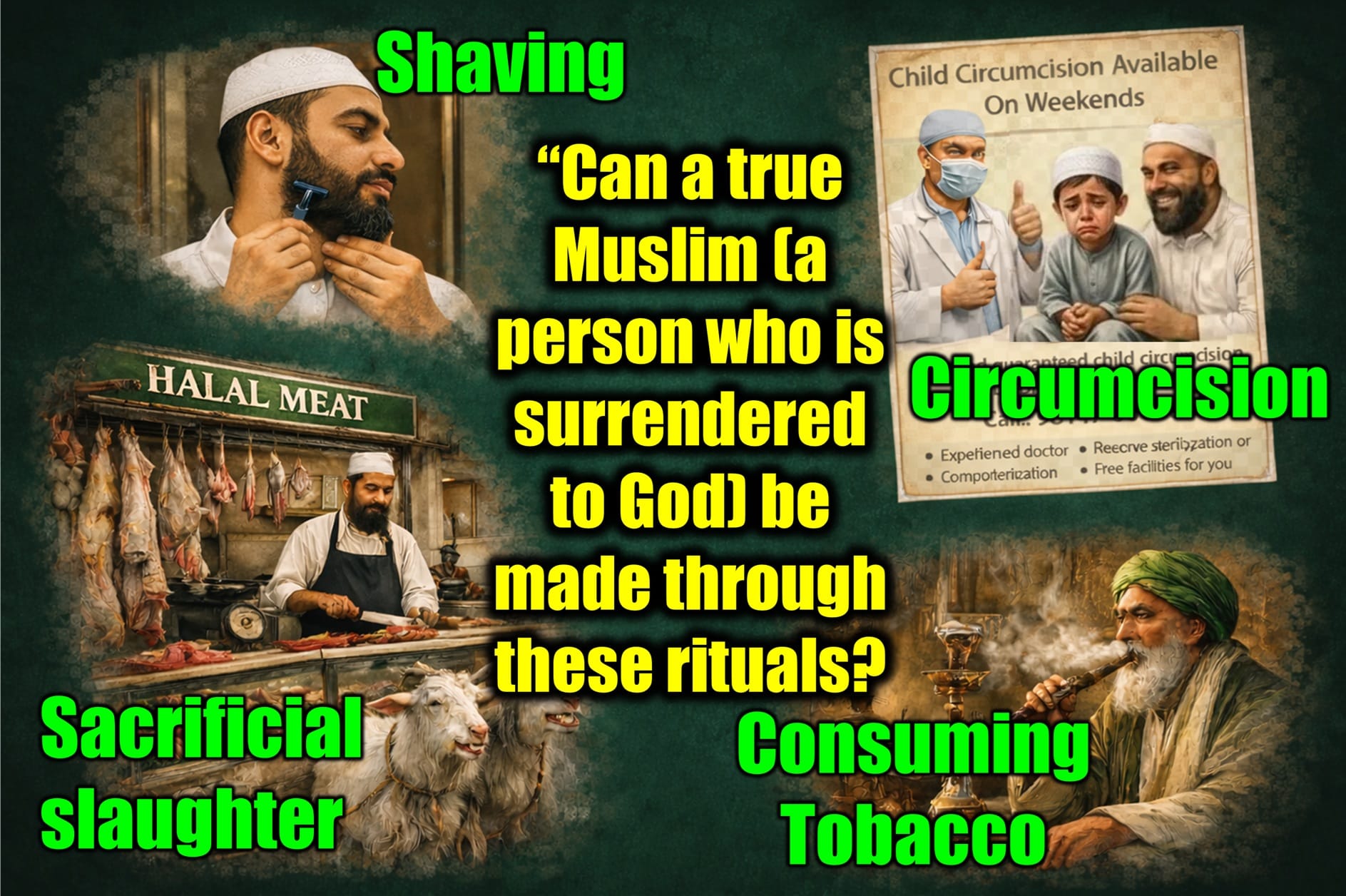
Sri Guru Granth Sahib Ji’s devotees, such as Baba Farid Ji, were spiritually enlightened beings who rose above their familial religious identity and, through Satguru, embraced the true path of Gurmat Naam. In Gurmat, a person living in God’s will is one who keeps the body in its natural, unaltered form, stays away from tobacco and intoxicants, sees the divine light of Waheguru in all beings, abandons falsehood and impurity while upholding truth and cleanliness, prefers compassion and Naam over harmful consumption, views women with complete equality, does not consider anyone a stranger or unbeliever, and does not permit slavery or violence against others based on difference of belief or thought.
Therefore, when Guru Sahib uses the term “true Muslim,” it is not referring to a follower of Islam as a religion, Prophet Muhammad (the Prophet of Islam), or the Quran, but rather to a Gurmukh who walks the path of Naam and fully accepts the Hukam of Akal Purakh. In Gurbani, “true Muslim” is a spiritual state of being, free from ego, absorbed in divine will, and filled with compassion and humility.